How to Choose the Right Slewing Bearing for Your Project?
Selecting the right slewing bearing is crucial for your project's success. These components play a vital role in ensuring smooth and efficient operation in various machinery. With numerous types and specifications available, making an informed choice can be challenging.
Focus on your specific project requirements. Consider factors like load capacity, speed, and environmental conditions. Different designs suit different applications, whether in construction, transportation, or offshore industries. Each project is unique; thus, understanding the nuances is essential.
Consult industry experts if you feel unsure. Their insights can help clarify which slewing bearing meets your needs. This decision can impact your project’s efficiency and longevity. Remember, a well-selected bearing ensures reliability. Therefore, take the time to evaluate your options carefully.
Understanding Slewing Bearings: Types and Applications
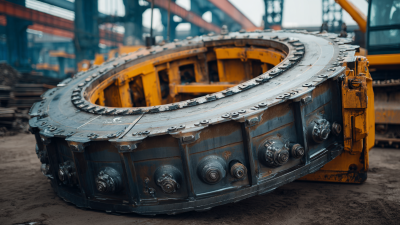
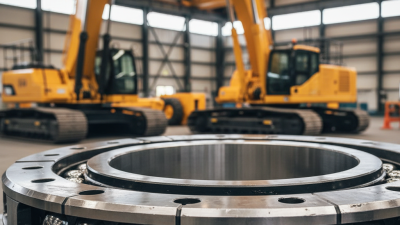
Slewing bearings are critical components in various heavy machinery and equipment. They are essential in applications such as cranes, excavators, and wind turbines. According to the industry report by Global Market Insights, the slewing bearing market is projected to reach USD 1.5 billion by 2025. Understanding the types of slewing bearings and their specific applications helps in making informed choices.
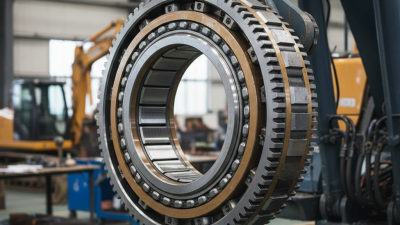
There are several types of slewing bearings, including single-row ball, double-row ball, and roller types. Single-row ball bearings are more suited for light loads, while double-row ball bearings can handle heavier weights. Roller slewing bearings offer increased load capacity but might require more complex installation. Each type serves unique applications; for example, single-row bearings excel in mobile cranes, while roller bearings are more common in the renewable energy sector.
Choosing the right slewing bearing demands careful consideration of several factors. Load conditions, speed, and environmental factors greatly influence selection. Data suggests that improper bearing choice can lead to increased maintenance costs and downtime. It's crucial to evaluate these criteria thoroughly. However, many engineers often overlook these details, resulting in choices that might not suit their project's needs. This oversight can hamper operational efficiency and affect overall project success.
Factors to Consider When Selecting a Slewing Bearing
When selecting a slewing bearing for your project, consider several key factors. The load capacity is critical. Different applications require different load ratings. For example, cranes may need bearings that handle radial, axial, and moment loads. An American Society of Mechanical Engineers report highlights that improper load selection can lead to early failure.
Additionally, examine the size and space constraints of your machinery. Slewing bearings come in various dimensions. Ensure the chosen bearing fits your design without compromising functionality.
**Tips:** Regularly consult technical data sheets. These documents provide vital information on dimensions and load ratings.
Material selection also plays a significant role. Bearings made from high-quality steel offer better durability. However, cost may rise. Consider your budget versus performance needs.
**Tips:** Review industry standards before making a choice. This will help align with best practices.
Ultimately, choosing the right slewing bearing involves balancing multiple factors. Each decision impacts performance, longevity, and safety in operation. The complexity demands careful consideration, reflecting the unique requirements of your project.
Key Specifications to Evaluate in Slewing Bearings
When selecting a slewing bearing, several key specifications are crucial. Load capacity is one of the most important factors. It determines the maximum weight the bearing can support. Think about the dynamic and static loads your project will experience. Higher load capacities can accommodate more demanding applications, but they often come with increased cost.
Another critical specification to consider is the size and weight of the slewing bearing. Ensure that the dimensions fit within your design parameters. Sometimes, a larger bearing might offer better performance, but it could also lead to increased size and weight challenges. Pay attention to portability and ease of installation. A cumbersome bearing can complicate your project.
Also, analyze the material used in the slewing bearing. Different materials influence durability, resistance to environmental factors, and overall lifespan. Stainless steel offers excellent corrosion resistance, while polymer materials might suit lighter applications. Each choice has trade-offs that can impact performance and longevity. Reflect on your project needs and think about the best material options.
How to Choose the Right Slewing Bearing for Your Project? - Key Specifications to Evaluate in Slewing Bearings
| Specification |
Description |
Importance |
Recommended Value |
| Inner Diameter (ID) |
The diameter of the hole in the center of the bearing. |
Critical for fitting onto shafts or housings. |
Varies based on application, generally 100 mm to 2000 mm. |
| Outer Diameter (OD) |
The external diameter of the bearing. |
Determines the bearing's mounting surface. |
Varies, often between 120 mm and 2100 mm. |
| Height |
The height of the bearing assembly. |
Influences the overall height of the assembly. |
Typically ranges from 30 mm to 250 mm. |
| Load Capacity |
Maximum weight the bearing can support. |
Crucial for ensuring longevity and reliability. |
Ranges from 5 kN to 4000 kN. |
| Material |
The materials used in the bearing's construction. |
Affects durability, weight, and cost. |
Common materials include steel, stainless steel, and brass. |
| Precision Class |
Tolerance levels of the bearing dimensions. |
Important for applications with tight tolerances. |
Ranges from standard to high precision (P0 to P4). |
| Lubrication Type |
The method of lubrication for the bearing. |
Essential to reduce friction and wear. |
Grease, oil, or self-lubricating materials. |
Common Mistakes to Avoid in Slewing Bearing Selection
Choosing the right slewing bearing can be challenging. Many make mistakes in this process. One common pitfall is overlooking load requirements. Each application has unique load specifications. Failing to account for both static and dynamic loads can lead to underperformance. This mistake often results in increased wear and shorter lifespan.
Another mistake is ignoring the environmental conditions. Factors like temperature, humidity, and exposure to contaminants significantly impact bearing performance. Selecting a bearing without considering these elements may lead to malfunction. Maintenance schedules can also be compromised if the operating environment isn’t evaluated properly.
It's essential to engage with technical experts early in the selection process. Many people rush to finalize decisions based on incomplete data. Researching specifications and performance ratings is vital. Detailed analysis prevents costly errors later on. Remember, a well-informed choice leads to operational efficiency and improved equipment longevity.
Maintenance Tips for Extended Slewing Bearing Lifespan
Slewing bearings are essential components in many machinery applications. Their longevity relies heavily on proper maintenance. Regular upkeep can greatly enhance their lifespan and performance.
One vital tip is to maintain correct lubrication. Insufficient or excessive grease can lead to wear and tear. Regularly check the lubrication levels and replace or replenish as needed, using only the recommended type consistent with industry standards.
Corrosion is another critical issue. Environments with high humidity or chemicals can damage slewing bearings. To mitigate this risk, consider protective coatings during installation. Regular inspections can help identify early signs of wear before they become significant problems.
Additionally, monitor operating temperatures. Ideal operating conditions are crucial for performance. A temperature increase of just a few degrees can signal internal issues. Keeping detailed logs of temperature changes can aid in proactive maintenance. Consider these insights to ensure your slewing bearings operate efficiently and last longer.
How to Choose the Right Slewing Bearing for Your Project?
This chart illustrates the various factors affecting the lifespan of slewing bearings. Each category represents a key aspect that professionals must consider when selecting and maintaining their slewing bearings.

 +86-13349293098
 Contact WhatsApp
 Contact Email