2026 Best Swing Bearing Reviews and Buying Guide for Optimal Performance?
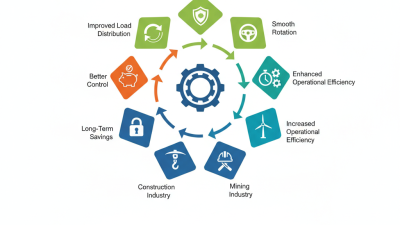
In the world of machinery, the swing bearing plays a critical role in ensuring optimal performance. Often overlooked, this component is essential for smooth rotation and movement. Without a quality swing bearing, machinery can suffer from inefficiencies or even failures. This guide focuses on helping you choose the best products for your needs.
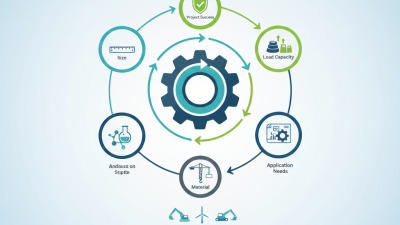
When selecting a swing bearing, there are several factors to consider. The load capacity, material quality, and compatibility with existing equipment are all crucial. Customers often express uncertainty about what to prioritize. This guide aims to clarify these points and offer reliable recommendations based on professional experience.
In addition, the importance of proper installation cannot be understated. A well-installed swing bearing leads to enhanced durability and functionality. However, many buyers may overlook this aspect, leading to potential issues. By ensuring you understand these elements, you can make informed decisions and enjoy long-lasting performance from your machinery.
Types of Swing Bearings and Their Applications
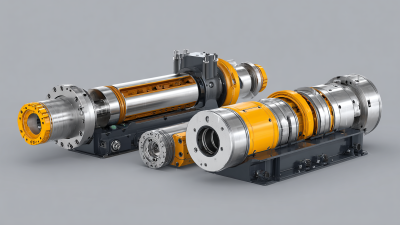
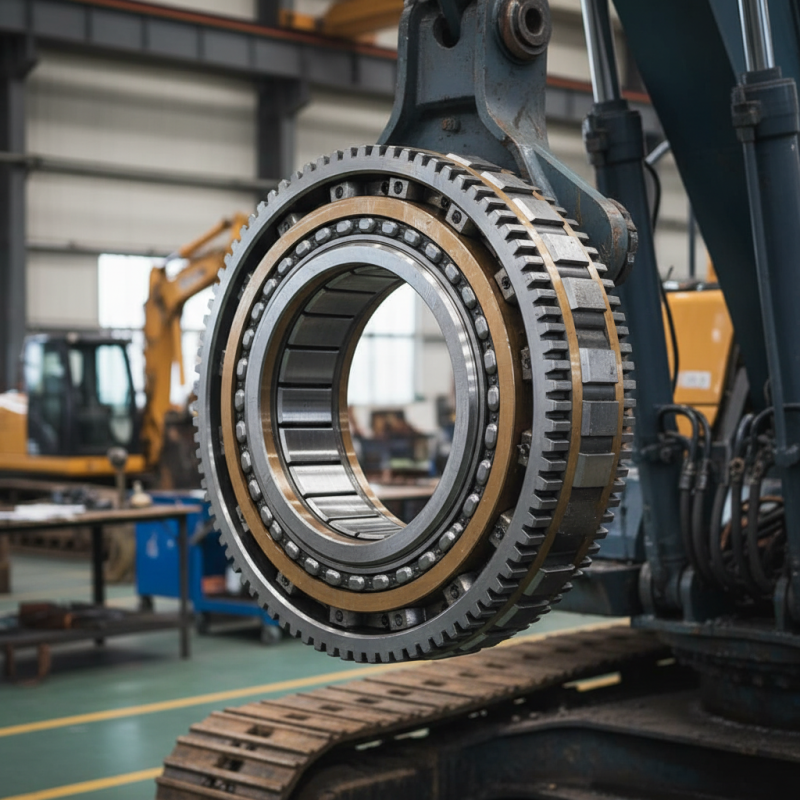
Swing bearings are essential components in various applications, from construction machinery to industrial equipment. They facilitate rotational and swinging movements, offering stability and support. Common types of swing bearings include roller bearings, ball bearings, and slewing rings. Each type serves a unique purpose depending on the operational demands.
Roller bearings are preferred for heavy loads. They excel in applications requiring high precision and durability. According to a report by the International Bearing Industry Association, roller bearings account for approximately 40% of the global bearing market. In contrast, ball bearings are more versatile, suitable for lighter loads and faster speeds. They are often used in robotics and aerospace.
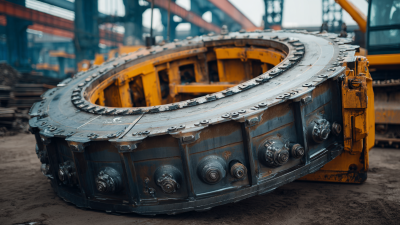
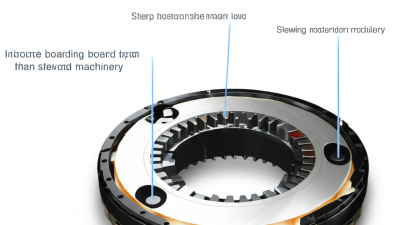
Slewing rings are another essential type. They provide a large contact surface, making them ideal for cranes and excavators. However, one common issue is their susceptibility to wear over time. Regular maintenance is crucial to prolong their lifespan. While many users overlook this aspect, the costs of neglecting maintenance can lead to significant operational downtime.
2026 Best Swing Bearing Reviews and Buying Guide for Optimal Performance
| Type of Swing Bearing |
Material |
Load Capacity (kg) |
Application |
Features |
| Standard Swing Bearing |
Steel |
5000 |
Construction Equipment |
High Durability |
| Heavy-Duty Swing Bearing |
Alloy |
8000 |
Mining Equipment |
Shock Resistant |
| Corrosion-Resistant Bearing |
Stainless Steel |
3000 |
Marine Applications |
Rust-Proof |
| Plastic Swing Bearing |
Polymer |
1000 |
Light Machinery |
Lightweight |
| Sealed Swing Bearing |
Carbon Steel |
4500 |
Agricultural Equipment |
Dust and Water Resistant |
Key Features to Consider When Choosing Swing Bearings
When selecting swing bearings, several key features significantly impact performance. First, consider the material. High-quality steel is vital for durability and resistance to wear. Reports indicate that materials like stainless steel provide better corrosion resistance, extending the bearing's lifespan. Additionally, load capacity is crucial. Bearings need to withstand the operational loads without deforming. According to ASME standards, improper load handling can lead to premature failure.
Another important factor is precision. The tolerance levels of a swing bearing influence how smoothly it operates. Higher tolerance means fewer vibrations and improved performance. Research has shown that even small deviations in precision can lead to operational inefficiencies. Lubrication methods also deserve attention. Different types, like grease or oil, impact noise levels and heat production during operations. Proper lubrication can reduce friction by up to 30%, promoting smoother movement.
Finally, pay attention to the design of the bearing. Some types offer enhanced sealing features, protecting against contaminants. When bearings are not properly sealed, contamination may lead to rapid wear. Many industry experts suggest regularly evaluating bearing conditions to avoid costly downtime. A routine inspection could be the difference between optimal performance and unexpected breakdowns.
Top Brands for Swing Bearings in 2026
When selecting swing bearings in 2026, focus on brands that prioritize quality and reliability. Several top manufacturers are known for their durable products. These brands invest in advanced materials and technology. This ensures that their bearings perform efficiently over time.
Tips: Always check for certifications from trusted standards. Reliable brands usually provide clear specifications. This helps you understand the performance you can expect. Look for user reviews as well. They provide real-world insights into product reliability and durability.
Some products might seem appealing at first glance. However, be cautious of low prices. Often, they indicate compromised quality. A poor choice in swing bearings can lead to frequent replacements. This is both costly and frustrating. Evaluate your options carefully to ensure optimal performance.
Maintenance Tips for Ensuring Optimal Swing Bearing Performance
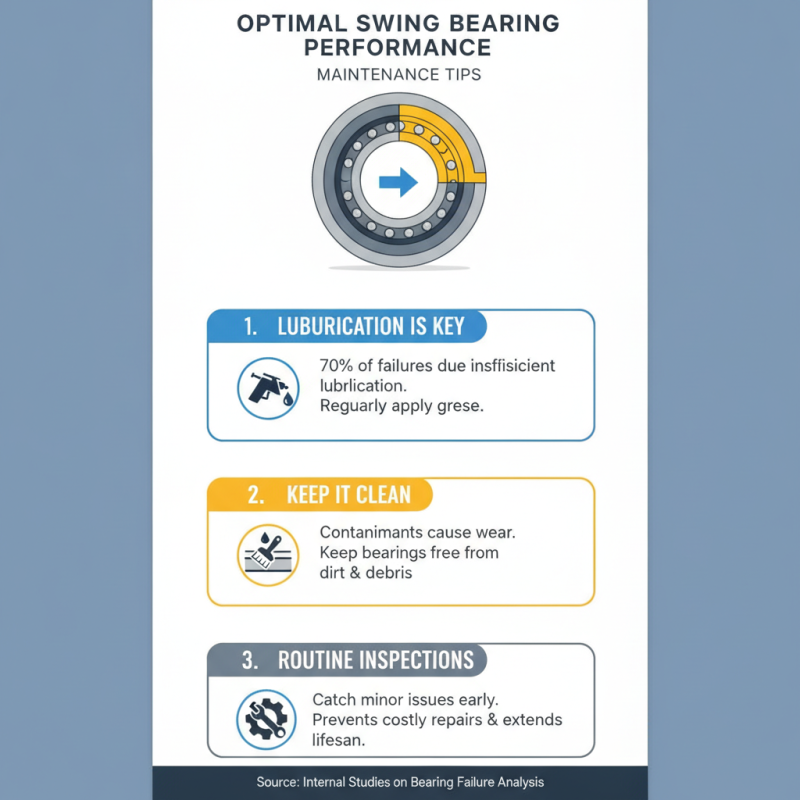
When it comes to ensuring optimal swing bearing performance, regular maintenance is crucial. Studies indicate that approximately 70% of failure in swing bearings arises from insufficient lubrication and wear due to contaminants. Keeping bearings clean and well-lubricated can significantly extend their lifespan. For instance, routine inspections can catch minor issues before they escalate into costly repairs.
Monitoring the lubrication interval is essential. Many industry professionals suggest lubricating bearings every 100 operational hours. Utilizing the appropriate type of lubricant as per manufacturer specifications can make a noticeable difference. A report from the International Organization for Standardization (ISO) highlights that correct lubrication practices can enhance operational efficiency by as much as 20%.
Complex environments introduce unique challenges. Dust, moisture, and extreme temperatures can all affect bearing function. Using protective seals, along with regular cleaning, reduces contamination risks. However, even with diligent care, wear is inevitable. Industry experts recommend a periodic replacement strategy, aiming to replace bearings every 2-5 years depending on conditions. Such reflections highlight the balance between maintenance and the reality of component longevity.
Comparison of Popular Swing Bearing Models on the Market
When selecting the right swing bearing, several models stand out due to their performance. It's important to compare specifications like load capacity, material quality, and design. Many users believe these factors heavily influence durability and efficiency. Understanding the differences in design can also impact ease of installation, which often gets overlooked.
Tips: Always check the weight capacity to ensure it meets your needs. A swing bearing too light for your application might wear out quickly. Pay attention to customer reviews. They can provide insights into long-term performance and potential issues.
Another point to consider is the maintenance requirements of different swing bearings. Some models may require regular lubrication, while others have sealed designs. This can significantly affect the overall hassle of upkeep. Investing in a high-quality bearing can save you time and resources down the line. If you notice frequent complications with your bearings, it might be time to reassess your choice.

 +86-13349293098
 Contact WhatsApp
 Contact Email