China Best Slewing Bearing Types for Heavy Machinery Applications?
In the world of heavy machinery, selecting the right slewing bearing can greatly impact performance and safety. According to industry expert Dr. James Liu, "The right slewing bearing ensures efficiency and reliability in any heavy application." This highlights the critical role these components play.
Slewing bearings are essential for cranes, excavators, and other heavy equipment. They facilitate smooth rotational movement. Choosing the wrong type could lead to mechanical failure and increased maintenance costs. Over time, many applications have different requirements, requiring a careful selection process.
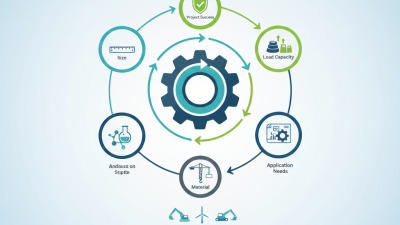
For construction and industrial sectors, understanding slewing bearing types is vital. Factors like load capacity, size, and environmental conditions make a difference. However, not all companies grasp the full spectrum of options or their proper applications. This oversight can result in suboptimal machinery performance and unexpected downtime, urging a need for better education in the field.
Overview of Slewing Bearings in Heavy Machinery Applications
Slewing bearings play a critical role in heavy machinery applications. They are a vital component in cranes, excavators, and wind turbines. According to industry reports, the global slewing bearing market is projected to reach USD 3.2 billion by 2025, driven by the growing demand for heavy machinery in construction and manufacturing. Their design allows for smooth rotation under heavy loads, which is essential for operational efficiency.
In heavy-duty machinery, the selection of slewing bearings varies based on application requirements. There are different types such as four-point contact, crossed roller, and gear-type bearings, each offering unique advantages. For instance, four-point contact bearings provide high load capacity and durability. However, they can be susceptible to misalignment under high axial loads. This aspect highlights the need for careful analysis during the selection process.
Moreover, the performance of slewing bearings is influenced by factors such as lubrication and environmental conditions. Regular maintenance is crucial to extend their life. Insights from recent studies indicate that around 25% of machinery failures are linked to bearing issues. This statistic emphasizes the importance of investing in quality slewing bearings and ensuring proper installation. Understanding these factors can lead to improvements in operational reliability and overall cost-effectiveness in heavy machinery applications.
Key Types of Slewing Bearings Used in China’s Heavy Machinery Sector
Slewing bearings play a crucial role in heavy machinery applications in China. These large, circular bearings enable rotation and support significant loads. In various sectors, including construction and mining, the demand for efficient slewing bearings is on the rise.
Among the key types of slewing bearings used in China’s heavy machinery sector are four-point contact bearings. These bearings provide substantial load-carrying capacity. They balance performance and durability, making them ideal for cranes and excavators. Another type is the three-row roller bearing, known for its ability to handle both axial and radial loads. It is frequently used in heavy-duty applications, ensuring smooth operation.
Despite their advantages, selecting the right type requires careful consideration. The operating environment can influence their lifespan. Factors like pressure, temperature, and dust exposure must be evaluated. In some cases, the cost of maintenance can outweigh benefits. It’s essential to analyze the long-term effects of these choices to ensure optimal performance.
China Best Slewing Bearing Types for Heavy Machinery Applications
Factors Influencing the Selection of Slewing Bearings for Machinery
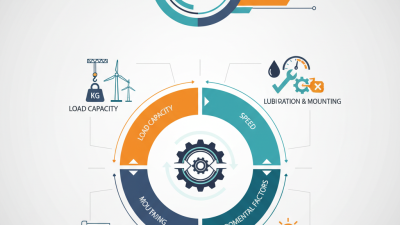
When selecting slewing bearings for heavy machinery, several factors come into play. The application dictates the load capacity required. According to industry reports, slewing bearings typically support loads ranging from 10 tons to over 1,000 tons. Understanding the operational conditions is crucial. Factors like temperature fluctuations, humidity, and exposure to contaminants can all impact bearing performance.
Another significant aspect is the bearing type itself. There are various configurations available, including single-row and double-row designs. Single-row bearings are often lighter but may not withstand heavy loads as effectively as double-row options. The dimensions and weight must align with specific machinery requirements to ensure optimal functioning.
Lastly, lubrication affects the longevity of slewing bearings. Research indicates that proper lubrication can extend bearing life by up to 50%. However, using incorrect lubrication types can lead to premature failures. Regular maintenance checks are essential to ensure the integrity of the system. Therefore, a comprehensive understanding of these factors plays a vital role in the selection process. Robust analysis of all these parameters can lead to improved efficiency and reliability in heavy machinery applications.
China Best Slewing Bearing Types for Heavy Machinery Applications
| Slewing Bearing Type |
Load Capacity (tons) |
Inner Diameter (mm) |
Outer Diameter (mm) |
Applications |
| Single Row Ball Slewing Bearing |
5-50 |
100-500 |
200-600 |
Cranes, Excavators |
| Double Row Ball Slewing Bearing |
10-100 |
200-800 |
400-1000 |
Wind Turbines, Marine Equipment |
| Three Row Roller Slewing Bearing |
20-200 |
300-900 |
500-1100 |
Heavy Machinery, Large Cranes |
| Composite Slewing Bearing |
15-150 |
250-750 |
400-950 |
Industrial Robots, Automation Equipment |
Comparative Advantages of Different Slewing Bearing Types
In heavy machinery, selecting the right slewing bearing type is crucial. Various types exist, each suited for different applications. For instance, four-point contact bearings excel in handling axial loads. Their design allows for minimal friction, making them ideal for high-speed operations. However, they might struggle under extreme conditions.
In contrast, roller slewing bearings are robust. They can manage heavy radial loads effectively. This makes them popular in equipment like excavators and cranes. The drawback? They can be bulkier and require more maintenance. Careful attention to these factors is essential for optimal performance in tough environments.
Another option is the ball slewing bearing. These bearings have a compact design and are light. They provide a smooth rotational motion, great for lighter machinery tasks. However, they may not withstand heavy loads well.
Balancing these advantages and limitations is vital for any project. Each application demands consideration of load, speed, and operational environment.
Maintenance and Performance Considerations for Slewing Bearings
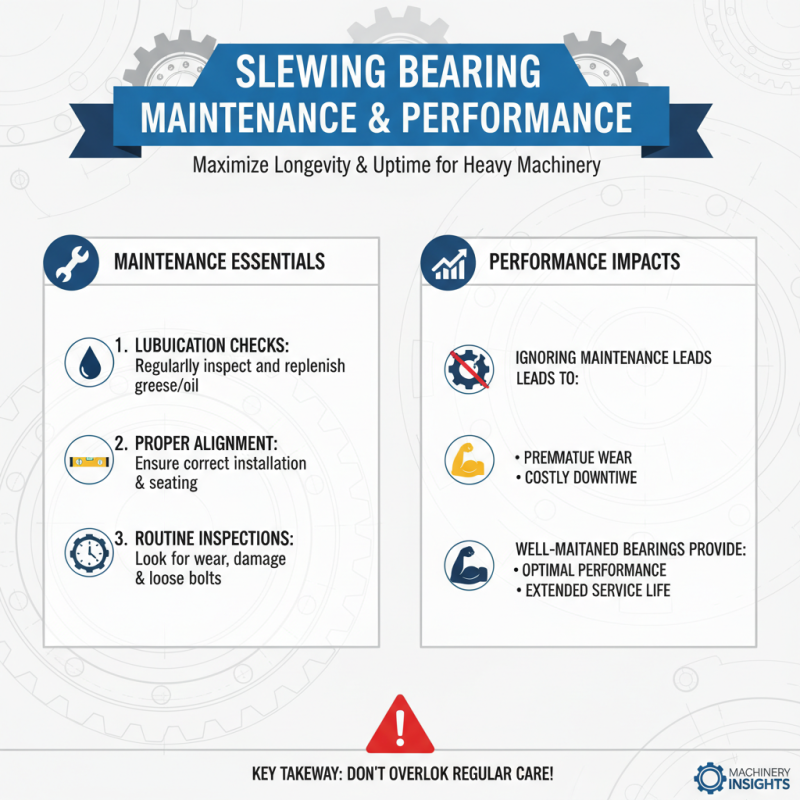
Slewing bearings play a crucial role in heavy machinery applications, especially in construction and mining. Regular maintenance is key to maximizing performance and longevity. Operators should regularly check lubricants and ensure proper alignment. Ignoring these can lead to premature wear and costly downtime.
In addition to routine inspections, the operating environment significantly impacts bearing performance. Dust, dirt, and extreme temperatures can wear down seals and affect lubrication. Using the right type of sealing can mitigate these issues. Every operational environment is unique, so operators must tailor their maintenance routines accordingly.
Balancing load distribution is another factor. Uneven loads can cause localized stress, leading to failure. Monitoring load limits and making adjustments helps maintain integrity. Operators sometimes overlook signs of wear or unusual noises. Addressing these early can prevent bigger problems down the line.

 +86-13349293098
 Contact WhatsApp
 Contact Email