Top 10 Wheel Lift Cylinder Manufacturers in 2026?
Choosing the right Wheel Lift Cylinder manufacturer in 2026 requires more than comparing catalog prices. Performance depends on seal quality, bore accuracy, rod protection, and tested pressure stability. A cylinder may look identical on paper, yet behave differently after months of road salt, vibration, and uneven loading.
Anthony Esposito, a respected hydraulic systems educator, captured this practical principle: “A hydraulic system is only as good as its weakest component.” This idea guides our review of the Top 10 Wheel Lift Cylinder Manufacturers in 2026. We examine manufacturing experience, material control, testing methods, customization capacity, and after-sales support. These factors matter when a wheel-lift assembly works beside busy traffic, heavy recovery equipment, and changing weather.
The strongest manufacturers usually document their processes clearly. They explain rod plating, piston design, seal selection, pressure testing, and warranty coverage. Some also provide dimensional drawings and replacement-part guidance. That saves valuable time in a repair bay.
Still, no ranking is perfectly universal. Fleet size, vehicle design, regional service access, and operating temperature can change the best choice. A manufacturer suited to a towing fleet may not suit a municipal workshop. That limitation deserves attention.
This guide offers a careful comparison, not an absolute verdict. It highlights dependable names while recognizing that field performance can reveal weaknesses that brochures never mention. Read the rankings with your application in mind, especially when reliability, safe lifting, and long service life cannot be compromised.
Wheel Lift Cylinders: Design, Functions, and Operating Principles
A wheel lift cylinder converts hydraulic pressure into controlled linear movement.
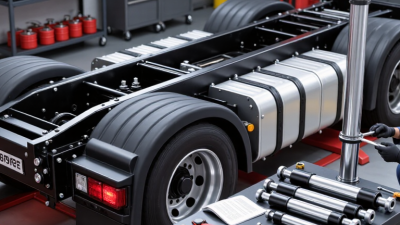
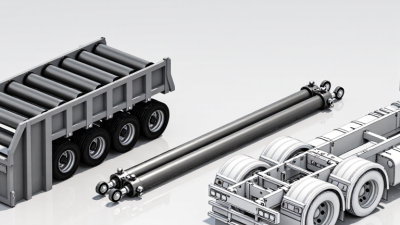
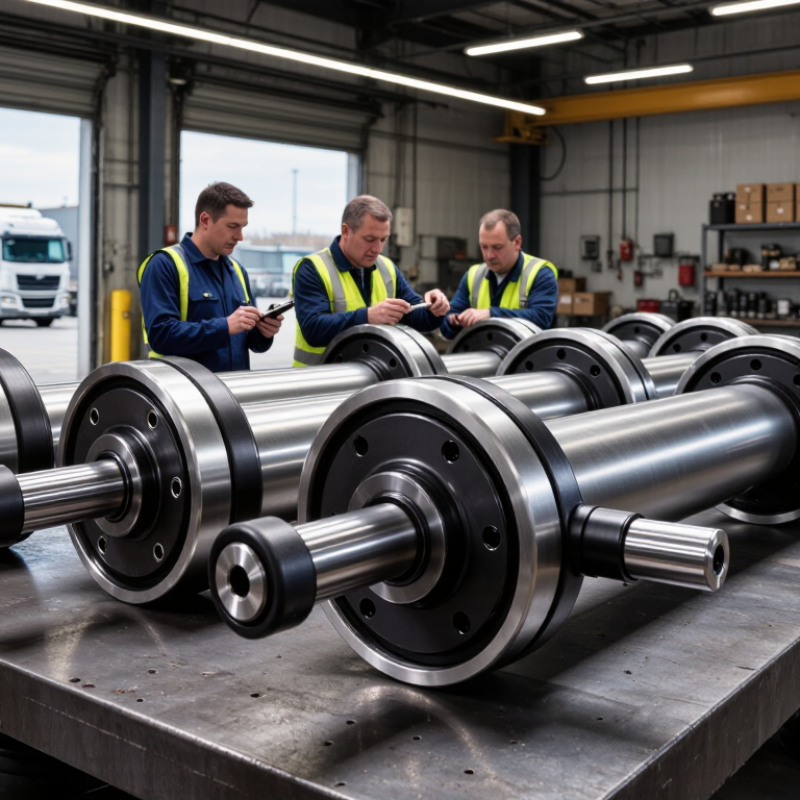
In recovery equipment, it raises, lowers, and stabilizes the wheel-lift arms. A typical assembly includes a honed steel barrel, piston, rod, seals, gland, and mounting clevis. Hydraulic oil enters one side of the piston. Pressure creates force across its effective area. Flow determines movement speed, while load and friction influence response. A larger bore produces more lifting force, but it also requires greater oil volume. That trade-off matters when comparing cylinder specifications for leading manufacturers in 2026.
The operating principle is direct. A pump sends pressurized fluid through a control valve into the cylinder chamber. The piston moves, extending or retracting the rod. The valve reverses oil flow for opposite movement. Relief protection limits excessive pressure during uneven loading or sudden impacts. Rod diameter also affects performance, especially during side loading. Chrome plating, suitable seal compounds, and precise surface finishing help resist corrosion and leakage. However, seal quality alone cannot correct poor alignment.
Small details matter.
Check the clevis pins, hose fittings, and rod surface during routine inspections. A slight oil film may indicate early seal wear, not harmless moisture. Temperature changes can alter oil viscosity and movement speed. Field experience shows that rated capacity is not a complete safety picture. Mounting angle, load distribution, and repeated shock can reduce service life. I have found that clean calculations still miss real-world vibration. Manufacturer documentation should therefore be compared with measured equipment conditions, service records, and verified pressure data.
How to Evaluate Wheel Lift Cylinder Manufacturers in 2026
Evaluating wheel lift cylinder manufacturers in 2026 requires more than comparing catalog prices. A reliable supplier should show traceable material records, pressure-test results, and dimensional controls for every production batch. Ask whether cylinders use corrosion-resistant rods, properly sealed ports, and compatible hydraulic fluids. Small details matter. In fleet workshops, a scratched rod or leaking seal can stop a vehicle during a busy shift. Request samples before approving volume orders, and inspect welds, mounting holes, surface finish, and retraction speed.
Experience is visible in the questions a manufacturer asks. They should discuss load cycles, ambient temperatures, side loading, and installation alignment, not only maximum lifting force. A technically mature factory can provide fatigue data, inspection procedures, and clear tolerance ranges. Independent testing adds credibility, especially when results identify test methods and failure limits. Still, paperwork can look impressive. I would compare test reports with a physical sample and a service record from similar equipment. This step is easy to skip, yet it often exposes inconsistent machining or optimistic performance claims.
Evaluate after-sales support as carefully as the cylinder itself. Check response times, spare-seal availability, warranty language, and technical drawings for maintenance teams. Manufacturers on a top-ten shortlist should explain root-cause analysis after a failure. They should also support controlled design changes and batch traceability. Price remains relevant, but the lowest quote may hide shorter seal life, slower delivery, or weak documentation. My own evaluation would include a pilot order, field monitoring, and a written review after several hundred lift cycles. The review may reveal gaps in my assumptions. That is useful.
Key Product Differences Across Leading Manufacturers
Top 10 Wheel Lift Cylinder Manufacturers in 2026: Key Product Differences Across Leading Manufacturers
Wheel lift cylinders may look similar, but their working details differ sharply. Grand View Research estimated the global hydraulic cylinder market at about USD 15 billion in 2023, with steady growth expected through 2030. That expansion reflects rising demand for compact lifting systems, fleet automation, and lower maintenance costs.
The leading manufacturers separate themselves through bore size, rod diameter, and operating pressure. Some prioritize high-force, double-acting cylinders for heavy recovery vehicles. Others offer lighter single-acting designs for urban fleets.
Seal materials also matter. Polyurethane seals resist abrasion, while specialized compounds perform better under heat and contaminated oil. According to the International Organization for Standardization, cylinder dimensions aligned with ISO 6020/2 can simplify replacement and equipment integration.
Sensor-ready cylinders are becoming more common.
Position feedback can help operators detect incomplete lifting before road movement. MarketsandMarkets has reported growing adoption of connected hydraulic systems across mobile equipment, although exact forecasts vary by region and application. That uncertainty deserves attention. A smart cylinder is not automatically the best cylinder.
Field experience often exposes differences that brochures hide. A thick chrome rod may reduce scoring, but it can increase weight and cost. Better wipers can extend service life in dusty yards. Weld quality, mounting tolerance, and seal availability may matter more than headline pressure ratings. Buyers should compare cycle testing, corrosion results, warranty terms, and documented failure data—not only catalog specifications.
How to Select the Right Wheel Lift Cylinder Supplier
Top 10 Wheel Lift Cylinder Manufacturers in 2026: How to Select the Right Wheel Lift Cylinder Supplier
Choosing a wheel lift cylinder supplier requires more than comparing catalog prices. Start with the machine’s actual duty cycle, rated load, hydraulic pressure, bore diameter, stroke length, and mounting space. A cylinder that fits on paper may fail under repeated lifting, road vibration, or winter moisture. Ask for dimensional drawings, pressure-test records, seal specifications, and material details. Reliable suppliers should explain their testing process clearly, not hide behind broad performance claims.
Experience matters here. Inspect weld quality, rod finish, port placement, and surface protection before approving samples. Request traceable inspection reports for each production batch. Check whether the supplier can provide replacement seals and technical support several years later. Delivery capacity also deserves attention. A low quotation means little if inconsistent tolerances create installation delays. I have seen selection teams focus too heavily on unit cost. That mistake becomes expensive.
Tips: Test one sample under realistic load conditions. Measure leakage after repeated cycles. Confirm the retracted and extended lengths. Review the warranty exclusions carefully. Ask how corrosion is tested. Keep every drawing and revision controlled. No checklist is perfect. However, a careful supplier will welcome difficult questions and provide evidence instead of vague promises. Compare response speed, engineering depth, quality consistency, and after-sales support together. The strongest choice is usually the supplier that can prove repeatable performance, not merely offer the fastest quotation.

 +86-13349293098
 Contact WhatsApp
 Contact Email