Leave Your Message

Top 10 Compact Hydraulic Cylinder Suppliers to Buy From?

Choosing the right Compact Hydraulic Cylinder supplier can determine whether a machine runs smoothly or repeatedly stops for repairs. A cylinder may look compact on a specification sheet, yet its performance depends on pressure, stroke length, mounting style, seal quality, and operating temperature. Small details matter. A poorly matched seal can leak. An undersized rod can bend under side loading.

Hydraulic systems specialist Dr. Noah D. Manring offers a practical principle: “A hydraulic component must be evaluated as part of the complete system.” That advice deserves attention when comparing suppliers. The lowest purchase price may hide longer delivery times, limited customization, weak technical support, or difficult replacement procedures. Reliable suppliers should provide clear drawings, tested materials, pressure ratings, corrosion options, and responsive engineering assistance. They should also explain limitations honestly.

This guide reviews ten Compact Hydraulic Cylinder suppliers for buyers seeking dependable industrial solutions. The comparison considers product range, customization capability, manufacturing experience, quality control, delivery coverage, and after-sales support. Applications may include agricultural equipment, material handling systems, construction machinery, automation lines, and mobile hydraulics. Real-world conditions differ widely.

No ranking is perfect. Your load profile may change the result. A supplier that suits a factory press may not fit a compact excavator. Before ordering, verify bore diameter, retracted length, working pressure, rod coating, port configuration, and mounting dimensions. Ask for documentation. Inspect the details. That extra step can prevent expensive downtime and an unsuitable purchase.
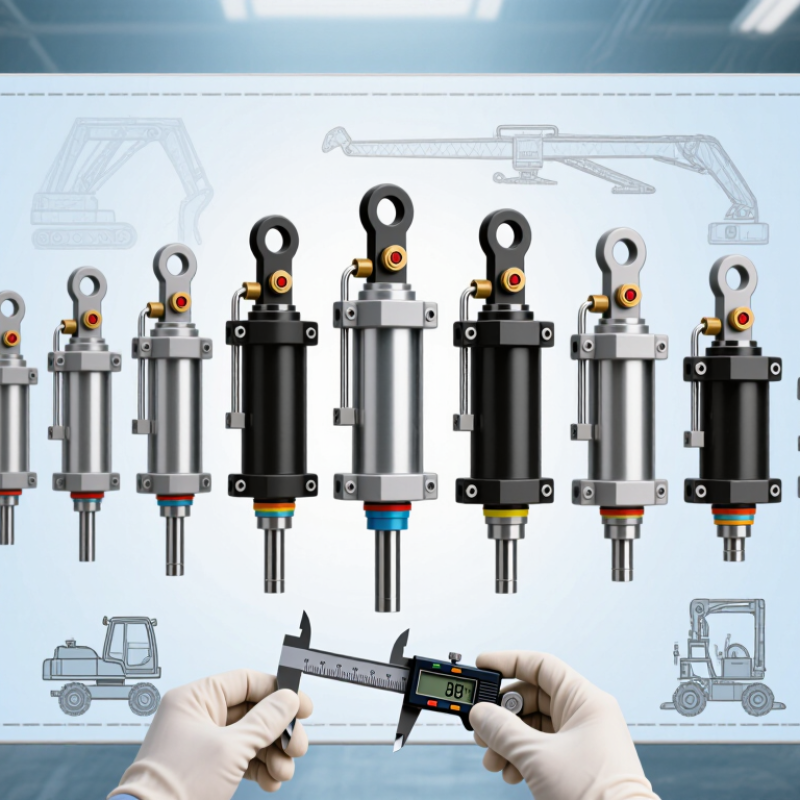
Top 10 Compact Hydraulic Cylinder Suppliers to Buy From?

What Are Compact Hydraulic Cylinders and Why Do They Matter?

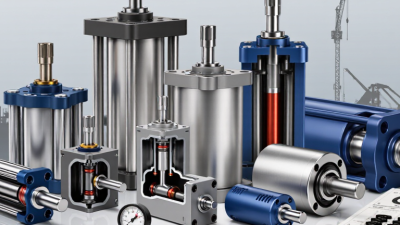
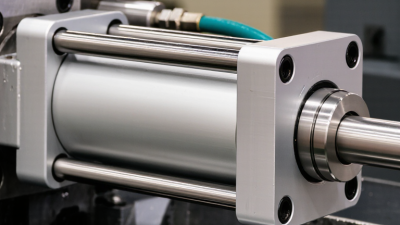
Compact hydraulic cylinders convert pressurized fluid into controlled linear motion. Their shorter bodies fit where standard actuators cannot. A typical unit contains a barrel, piston, rod, seals, and mounting features. Double-acting designs push and retract hydraulically. Single-acting models usually rely on a spring or external load for return. Force depends on pressure and piston area, while stroke determines movement distance.

Space savings matter in mobile equipment, presses, agricultural tools, and automated fixtures. A compact cylinder can reduce frame size and simplify installation. It may also lower machine weight. However, smaller does not always mean better. Limited body length can restrict stroke, heat dissipation, and service access. I have seen installations fail because engineers measured the cylinder alone, not the complete retracted assembly. That detail matters.

When comparing suppliers, review bore diameter, stroke, rated pressure, mounting style, rod material, seal compatibility, and test records. Ask for dimensional drawings and clear tolerance data. A reliable supplier should explain performance under side loads, vibration, temperature changes, and contaminated environments. Field experience shows that seal quality often affects downtime more than advertised force. The strongest specification sheet still needs practical verification. Prototype testing can reveal uneven motion, leakage, or mounting stress before production begins. I would also question unclear warranty terms and inconsistent documentation. Those concerns may feel minor during purchasing, but they become expensive when replacement parts are unavailable.
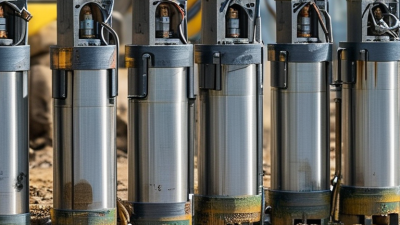
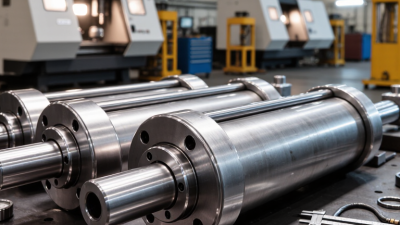
Top 10 Compact Hydraulic Cylinder Suppliers to Buy From? - What Are Compact Hydraulic Cylinders and Why Do They Matter?

Compact hydraulic cylinders deliver linear force in space-constrained machinery. The chart below compares theoretical extension force across commonly used bore diameters at a working pressure of 100 bar. Values are calculated from piston area and do not represent any specific supplier or brand.

Calculation basis: Theoretical force = pressure × piston area. At 100 bar, actual output may be lower because of friction, seal resistance, pressure losses, and rod-side effects.

How to Evaluate Compact Hydraulic Cylinder Suppliers

When comparing compact hydraulic cylinder suppliers, begin with the application, not the sales brochure. Record the required bore, stroke, mounting space, operating pressure, speed, and working temperature. A cylinder fitting the drawing may still fail under side loading or repeated impacts. Ask suppliers for load calculations, material specifications, seal information, and verified test data.

Supplier experience matters. Review production history, engineering staff, inspection procedures, and traceability for critical parts. Request sample reports showing pressure testing, dimensional checks, and cycle performance. A reliable supplier should explain tolerances clearly, not hide behind vague phrases such as “industrial quality.” Confirm whether the supplier can customize ports, mounts, coatings, or seals without weakening the design. Small details matter.

Check communication before placing a large order. Ask for realistic lead times, replacement-part availability, warranty terms, and technical support after delivery. ISO certification can help, but verify its scope and current validity. Visit the facility when possible, or request a live production audit. I once trusted an attractive price and overlooked inconsistent documentation. That mistake was expensive. No supplier is perfect. However, clear records and direct answers usually reveal how problems will be handled. Compare the ten shortlisted suppliers using the same checklist, including price, testing, capacity, delivery history, and response speed. A low quotation is not low cost if cylinders arrive late or require repeated replacement.

Top 10 Compact Hydraulic Cylinder Suppliers to Consider

Top 10 Compact Hydraulic Cylinder Suppliers to Consider

Choosing among the top 10 compact hydraulic cylinder suppliers requires more than comparing prices. Check bore diameter, stroke length, mounting style, working pressure, and seal compatibility. A cylinder may fit the drawing yet fail inside a dusty, hot machine. Fit matters.

Experienced suppliers should provide clear load charts, dimensional drawings, material details, and pressure-test records. Ask how each unit is inspected before shipment. Reliable suppliers explain tolerances instead of hiding behind general claims. Look for documented quality systems, responsive engineering support, and traceable production batches. Short lead times are useful, but rushed machining can create leakage or uneven rod movement.

Compare at least three samples when the application carries frequent cycles. Test extension speed, retraction force, mounting alignment, and oil temperature under realistic conditions. A supplier with application engineers can help calculate buckling risk and side-load limits. However, advice still needs verification on the machine. That is where many purchasing decisions become too optimistic. Details matter.

Consider suppliers offering custom ports, compact body designs, corrosion-resistant rods, and replaceable seal kits. Confirm warranty terms, spare-part availability, packaging quality, and communication during delays. The cheapest quote may become expensive after installation changes or repeated downtime. A sensible shortlist includes manufacturers with proven industrial experience, consistent documentation, and honest limitations. No supplier is perfect. Procurement teams should record test results and revisit their choice after real operating hours.

Top 10 Compact Hydraulic Cylinder Suppliers to Buy From? - Top 10 Compact Hydraulic Cylinder Suppliers to Consider

Comparison of commonly published compact hydraulic-cylinder capabilities. Specifications, availability, and lead times should be confirmed directly before purchase.
Rank Supplier Profile Primary Supply Region Compact Cylinder Type Typical Bore Range Typical Working Pressure Configuration Options Common Standards Customization Typical Lead Time Best Suited For
1 Supplier Profile 01 North America Welded and tie-rod compact cylinders 25–100 mm Up to approximately 210 bar Single-acting, double-acting, clevis, flange, trunnion SAE, NFPA, ISO-based dimensions High; ports, stroke, mounting, seals 2–8 weeks for standard items Mobile equipment and material handling
2 Supplier Profile 02 Western Europe Compact metric cylinders 20–80 mm Up to approximately 250 bar Double-acting, magnetic sensing, rod lock ISO 6020/2, ISO 6430, CE-related documentation Medium to high; sensor and rod treatments 3–10 weeks Factory automation and packaging machinery
3 Supplier Profile 03 East Asia Economical welded cylinders 25–125 mm Approximately 160–210 bar Double-acting, single-acting, threaded or flanged DIN, ISO, SAE options by model High for volume orders 4–12 weeks Agricultural implements and compact machinery
4 Supplier Profile 04 Central Europe Short-stroke industrial cylinders 32–100 mm Up to approximately 250 bar Cushioning, position sensing, corrosion-resistant rods ISO 6020/2 and ISO 6022 product families Medium; engineered-to-order support 5–12 weeks Presses, fixtures, and industrial production lines
5 Supplier Profile 05 South Asia Heavy-duty compact welded cylinders 40–150 mm Approximately 210 bar Single-acting, double-acting, spherical bearing options SAE and customer-specific drawings High; suitable for private-label programs 6–14 weeks Dump bodies, lifts, and construction attachments
6 Supplier Profile 06 Northern Europe Corrosion-resistant compact cylinders 25–100 mm Up to approximately 210 bar Stainless or plated rods, marine seals, compact mounts ISO dimensions; material certificates available Medium to high 6–14 weeks Marine, food-processing, and outdoor equipment
7 Supplier Profile 07 North America Custom compact cylinders for mobile systems 30–125 mm Up to approximately 240 bar Integrated valves, sensors, custom ports, compact envelopes SAE, NFPA, and application-specific requirements Very high; design assistance commonly available 8–16 weeks Specialized vehicles and off-highway systems
8 Supplier Profile 08 Southern Europe Standard metric tie-rod cylinders 25–100 mm Approximately 160–200 bar Double-acting, adjustable cushioning, magnetic pistons ISO 6430 and metric mounting conventions Medium; options vary by series 3–9 weeks Machine tools and general automation
9 Supplier Profile 09 Southeast Asia OEM replacement and custom cylinders 20–125 mm Approximately 140–210 bar Replacement dimensions, custom stroke, multiple seal materials ISO, SAE, DIN, or customer drawings High for repeat production 5–13 weeks Replacement parts and contract manufacturing
10 Supplier Profile 10 Global distribution network Catalog compact cylinders 20–100 mm Approximately 100–210 bar Common mounting styles, standard strokes, stocked seal kits ISO, SAE, and regional catalog specifications Limited; mainly catalog-based 1–6 weeks when in stock Maintenance, repair, and low-volume applications
Buying checklist: Confirm bore and rod diameter, stroke length, mounting geometry, operating pressure, side-load conditions, seal compatibility, port thread, testing requirements, warranty terms, and delivery location before placing an order.

How the Leading Suppliers Compare by Quality and Applications

Choosing among the top 10 compact hydraulic cylinder suppliers requires more than comparing catalog prices. Quality appears in small details: honed barrel surfaces, consistent bore tolerances, hardened piston rods, and seals matched to temperature and fluid type. A reliable supplier should provide pressure ratings, test records, dimensional drawings, and clear replacement guidance. Vague specifications deserve caution.

Application fit separates strong suppliers from average ones. Construction equipment needs cylinders that tolerate shock loads, dust, and repeated side forces. Factory automation usually demands precise stroke control, compact mounting, and predictable cycle life. Agricultural machinery may prioritize corrosion resistance and easy field maintenance. Suppliers with adaptable port positions, custom strokes, and metric or imperial options often serve more applications effectively. Ask for samples.

Price can mislead. A low-cost cylinder may use weaker rod plating or seals that harden quickly near heat. A premium supplier may offer better traceability, but not every project needs the most expensive configuration. That judgment depends on duty cycle, pressure spikes, installation space, and downtime costs. I would still verify real test data, because attractive brochures cannot reveal every weakness. One overlooked issue is after-sales support. Slow access to seal kits can stop a machine for days, even when the cylinder itself performs well. Supplier comparisons should include delivery consistency, technical response time, warranty terms, and the ability to correct design mistakes without blame.

How to Choose the Right Compact Hydraulic Cylinder Supplier

Choosing among the top compact hydraulic cylinder suppliers requires more than comparing prices. Begin with the working conditions. Record the required force, stroke length, retracted length, mounting style, pressure range, and operating temperature. A cylinder that fits the drawing may still fail in a dusty, wet, or high-cycle machine.

Ask each supplier for clear dimensional drawings and recent test data. Look for pressure testing, seal material details, surface treatment, and rod hardness. Reliable suppliers should explain how they control leakage, alignment, and production consistency. Request sample inspection reports, batch traceability, and realistic lead times. Vague answers are warning signs.

Do not ignore technical support. A capable supplier can review your load calculation and suggest suitable port sizes or cushioning options. Check whether replacement seals and repair guidance are available. Communication matters too. Slow replies during selection may become serious delays during installation.

My own evaluation mistake was focusing too heavily on unit cost. The cheaper cylinder required extra brackets and caused repeated fitting adjustments. That lesson changed my checklist. I now compare total installation effort, service access, warranty terms, and expected cycle life. Ask for a sample when tolerances are tight. Test it under actual load conditions, not only on a clean workbench. The best choice is not always the lowest quote.