Leave Your Message

7 Tips for Choosing the Right Hydro Cylinder

Choosing the correct Hydro Cylinder is not a simple matter of matching bore size and stroke length. It affects lifting force, machine stability, energy use, and maintenance risk. A cylinder that looks suitable on paper may perform poorly in mud, heat, dust, or repeated side loading. Real operating conditions matter.

Industry research supports this careful approach. Grand View Research identifies construction, agriculture, and material handling as major applications for hydraulic cylinders. MarketsandMarkets also reports continued demand from mobile equipment and industrial automation. However, published market estimates vary because researchers define product categories differently. That inconsistency deserves attention. It reminds buyers to verify technical claims instead of trusting impressive forecasts.

A reliable selection process should examine pressure, load direction, stroke speed, mounting style, seal material, and available installation space. ISO 6020/2 and ISO 6022 provide useful dimensional and performance references for many industrial cylinders. The National Fluid Power Association also emphasizes proper sizing, contamination control, and system efficiency. These details become visible on the workshop floor: a bent rod, leaking seal, or slow return stroke can stop production quickly.

This guide presents seven practical tips for choosing the right Hydro Cylinder. It considers both engineering requirements and field experience. You will see why peak pressure should not replace working-pressure analysis. You will also learn how temperature, alignment, lubrication, and duty cycle influence service life. No selection method is perfect. Still, a disciplined review can prevent expensive mistakes before the cylinder reaches the machine.
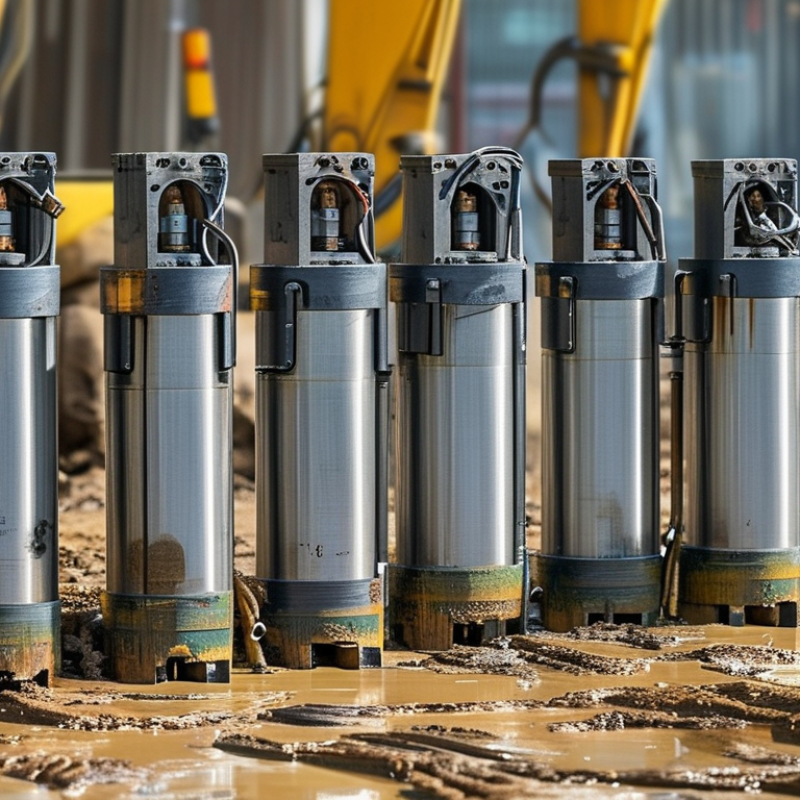
7 Tips for Choosing the Right Hydro Cylinder

Define the Hydraulic Cylinder’s Required Force and Movement

7 Tips for Choosing the Right Hydro Cylinder

Define the Hydraulic Cylinder’s Required Force and Movement

Start with the real load, not an optimistic estimate. Calculate force using F = P × A, then account for friction, acceleration, gravity, and side loading. A vertical lift may need more force during startup than during steady movement. Include a safety margin, but avoid choosing an oversized cylinder without checking the structure and valve capacity.

Tip: Record the load weight, travel direction, operating pressure, and required speed. These details expose weak assumptions early.

Movement is equally important. Specify the exact stroke length, retracted length, and movement frequency. Check whether the cylinder must extend smoothly, stop at intermediate points, or resist an external force while holding position. Rod diameter matters during compression, especially when the stroke is long. Bending risk can increase quickly.

Tip: Measure the available space with the cylinder fully retracted and extended. Real equipment often leaves less room than drawings suggest.

A practical selection also considers mounting alignment, fluid temperature, seal compatibility, and expected cycle life. One missed side load can damage seals and shorten service life. I have seen clean calculations fail because the actual load was offset by only a few millimeters. That mistake is easy to repeat. Test the planned force and movement under realistic conditions, then review the result with a qualified hydraulic engineer before final installation.

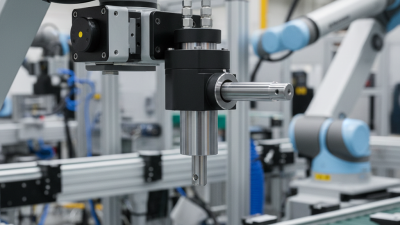
Match the Cylinder Type to Your Equipment and Application

Choosing the right hydraulic cylinder starts with the equipment, not the catalog. A 2023 Grand View Research report estimated the global hydraulic cylinder market at over USD 14 billion, reflecting wide application demands.

A compact excavator needs high force in tight spaces. A press may require stable pressure and minimal drift. A mobile lift often needs a double-acting cylinder with controlled retraction. Match the cylinder action, bore, stroke, and mounting style to the machine’s actual movement.

Check the load at start-up, not only during smooth operation. Peak loads can exceed the rated working load.

Pressure ratings need careful interpretation. ISO 6020/2 and ISO 6022 provide dimensional and performance frameworks, but compliance does not replace application testing. Measure available system pressure, flow rate, cycle speed, and side loading.

A larger bore increases force, yet it can slow movement when pump flow stays unchanged. Rod diameter also matters. Thin rods may buckle under compression; oversized rods add weight and cost.

I have seen specifications fail because the stroke looked correct, while the retracted length blocked the linkage.

Environment changes the selection. Dust, water, heat, and corrosive fluids require suitable seals, coatings, and wipers. Use cushioning when the piston approaches the end cap quickly. Confirm port location and service access before installation.

A 2024 industry outlook from the National Fluid Power Association identifies construction, agriculture, and material handling as major demand areas, each with different duty cycles.

One detail is easy to miss: calculate the side load. Cylinders push best in alignment. Misalignment creates uneven wear, leakage, and premature failure.

Test the real cycle. The spreadsheet may still be wrong.

Select Suitable Pressure, Bore, Stroke, and Mounting Dimensions

7 Tips for Choosing the Right Hydro Cylinder

Select Suitable Pressure, Bore, Stroke, and Mounting Dimensions

Choose the working pressure before comparing cylinder sizes. Never use burst pressure as the operating target. Leave a practical safety margin for shocks, heat, and frequent cycling. A 50 mm bore at 160 bar produces roughly 31.4 kN theoretically. Real output is lower because of friction and pressure losses. Check the rod diameter too. A thin rod may bend under side loading.

Match the bore to the required pushing and pulling force. The retraction force is lower because the rod reduces piston area. Measure the full stroke, including clearance at both ends. A stroke that is too short may limit movement. One that is too long can create bending or impact problems. End cushioning helps control a heavy load near the final position. It is easy to overlook.

Mounting dimensions must fit the machine, not just the drawing. Confirm pin diameter, clevis width, centerline height, port position, and available installation space. Keep the cylinder aligned with the load. Side force should not be carried by the rod. I have seen small alignment errors wear pins quickly. I would recheck every measurement in place, because drawings can be outdated. Temperature, oil cleanliness, and duty cycle also affect reliability. Test the selected cylinder under realistic load conditions before approving production.

Evaluate Materials, Seals, and Environmental Compatibility

7 Tips for Choosing the Right Hydro Cylinder

Tip 1: Match the cylinder material to the working environment. Hardened steel suits demanding loads, while stainless steel helps resist moisture and corrosion.

Tip 2: Check fluid compatibility before selecting seals. Hydraulic oil, water-based fluids, and cleaning chemicals can affect rubber differently.

Tip 3: Confirm operating temperature ranges. Heat can soften seals, while cold may make them brittle. Small details matter.

Tip 4: Inspect the rod coating and surface finish. A rough rod can damage seals during repeated movement.

Tip 5: Consider dust, salt spray, mud, and washdown exposure. Protective scrapers can reduce contamination, but they are not a complete solution.

Tip 6: Review pressure, speed, stroke length, and duty cycle together. A cylinder may survive peak pressure but fail under constant cycling. I once focused too heavily on pressure ratings. That assumption was too simple.

Tip 7: Request documented material and seal compatibility data. Ask for test conditions, temperature limits, and expected service life. If information is unclear, test a sample in the real fluid and environment. Observe leakage, rod wear, and seal swelling over time. Choose a safety margin, but avoid excessive sizing. Oversized components can increase cost, weight, and energy use. Field conditions often differ from clean laboratory tests. That difference deserves attention.

Compare Quality, Maintenance Needs, Safety, and Total Cost

7 Tips for Choosing the Right Hydro Cylinder

Compare Quality, Maintenance Needs, Safety, and Total Cost

Choosing a hydro cylinder starts with the working conditions, not the purchase price. Check the required force, stroke length, operating pressure, and duty cycle. A cylinder for slow lifting may fail quickly in rapid, repetitive service. Confirm the bore and rod sizes with real load calculations. Guesswork is expensive.

Inspect material quality, weld consistency, rod surface finish, and seal compatibility. Ask for pressure-test records and clear technical specifications. Tip three: examine corrosion protection when the cylinder works outdoors or near water. Tip four: review maintenance access. Can technicians replace seals without removing half the machine? Use clean hydraulic fluid and schedule inspections around actual operating hours. Small leaks matter.

Safety deserves direct attention. Verify the rated load, mounting alignment, side-load limits, and pressure protection. Install guards where a sudden rod movement could injure someone. Tip six: calculate the total cost, including seals, fluid, labor, downtime, and energy use. A lower purchase price can hide frequent repairs. Tip seven: check service support and spare-part availability before approval. This is often overlooked.

In field reviews, I have seen well-built cylinders suffer because contamination was ignored. I have also trusted a specification sheet too quickly. Recheck measurements, question unclear claims, and leave a practical maintenance margin.