What is a Slewing Bearing and How to Choose the Right One?
Slewing bearings play a critical role in various industrial applications. They allow smooth rotation and support heavy loads. Choosing the right slewing bearing can be challenging. Factors such as size, load capacity, and material must be considered.
Understanding the specifics of slewing bearings is vital for effective operation. They often combine multiple functions: rotation, tilt, and load distribution. Selecting the appropriate type improves efficiency and safety in machinery. There are different forms and designs available, making the choice complex.
Many users encounter difficulties when selecting slewing bearings. Misjudgment in specifications can lead to performance issues. It’s essential to consult with experts and review technical details. A well-chosen bearing enhances machinery reliability and extends lifespan. Ultimately, careful selection is invaluable and requires thorough research.
What is a Slewing Bearing and Its Role in Machinery Operations
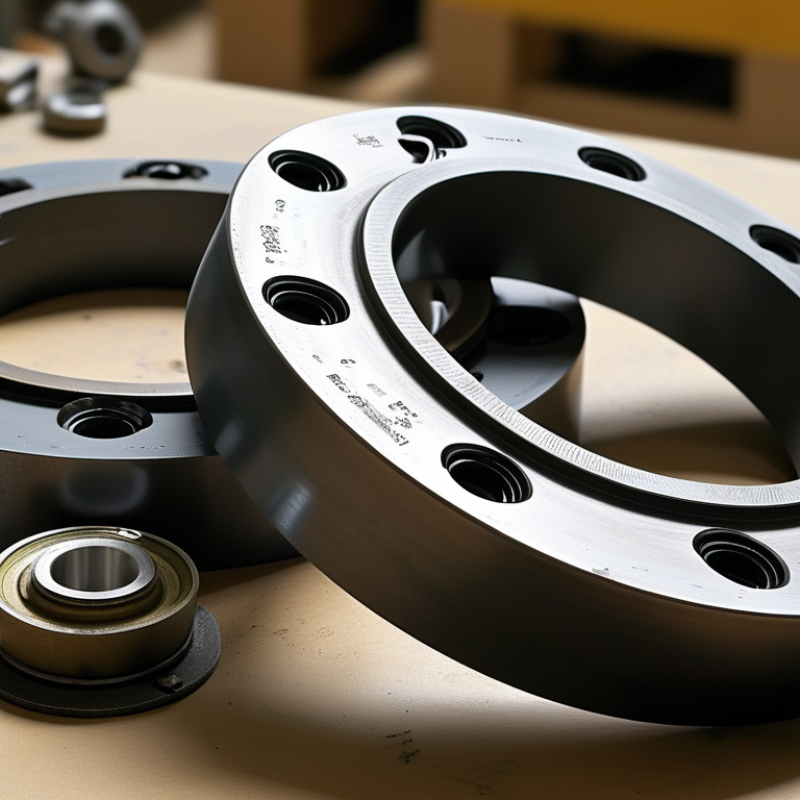
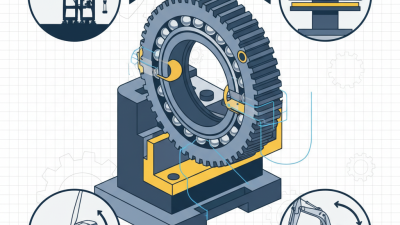
Slewing bearings are essential components in various machinery operations. They enable smooth rotational and oscillating movements. These bearings support heavy loads and allow for precise positioning. Often found in cranes, excavators, and wind turbines, they play a pivotal role in heavy machinery functionality.
Selecting the right slewing bearing requires an understanding of several factors. Load capacity is crucial. A bearing must withstand operational stresses without failure. Size and material type also matter. Different applications demand different specifications. For instance, the environment significantly influences material choice. Corrosion resistance might be essential for coastal applications. Awareness of these details helps in making informed decisions.
However, not all choices are straightforward. Improper sizing can lead to inefficiencies. It's common to underestimate operational loads. Evaluating specific machinery needs can be complex. Seeking expert guidance often saves time and resources. Reflecting on past experiences can enhance decision-making. Understanding the interplay between parts is key.
Key Types of Slewing Bearings and Their Applications in Different Industries
Slewing bearings are critical components in various industries such as
construction,
aerospace, and
renewable energy.
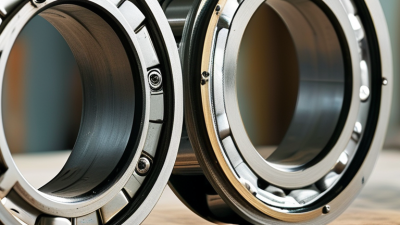
These bearings come in several types, including single-row and
double-row designs, each suited for specific applications. For instance,
single-row four-point contact bearings
are ideal for light loads and limited rotation. In contrast,
double-row ball slewing bearings
provide better stability under heavy loads, making them suitable for
cranes and large machinery.
In construction, slewing bearings play a vital role in
excavators and
tower cranes. They facilitate
smooth rotation which enhances operational efficiency. Industry reports
indicate that the global slewing bearing market reached approximately
$2.5 billion in 2022, with a
projected compound annual growth rate (CAGR) of
4.6% until 2028. This trend
reflects the growing demand for advanced machinery in urban development
and infrastructure projects.
In the renewable energy sector, slewing bearings are essential in
wind turbines. They help in
adjusting the blade's angle to optimize energy capture. Their reliability
is crucial, as a failure could lead to significant operational downtime.
However, selecting the right bearing requires considering load capacities,
environmental conditions, and specific application requirements. This
choice impacts not only productivity but also maintenance costs over the
equipment's lifecycle.
Factors to Consider When Selecting a Slewing Bearing for Your Project
When selecting a slewing bearing for your project, several factors must be considered. The application type significantly influences your choice. For example, cranes and excavators require larger load capacities. In contrast, medical equipment demands precision and smaller sizes. According to industry reports, choosing the correct bearing can improve performance by up to 30%.
Load ratings are also crucial. You should be aware of dynamic and static loads. Overestimating these loads might result in over-engineering, leading to unnecessary costs. On the other hand, underestimating can lead to premature failure. Experts recommend calculating a safety factor of 1.5 to ensure durability.
Another aspect to review is environmental conditions. Factors like temperature, humidity, and exposure to contaminants affect bearing life. For example, bearings exposed to high temperatures may need special materials, such as thermoplastics. Essential maintenance routines can enhance reliability significantly. According to research, proper lubrication can increase bearing life by 50%.
Industry Standards and Specifications for Slewing Bearings Explained
Slewing bearings are critical components in various machinery and applications. Understanding the industry standards and specifications is essential for selecting the right bearing. These standards help ensure that bearings meet specific performance and durability criteria. For example, the ISO 9001 certification indicates that a manufacturer adheres to quality management principles. Additionally, the American National Standards Institute (ANSI) provides guidelines that cover dimensional and load specifications.
When evaluating slewing bearings, it's vital to consider load ratings and operational limits. The Dynamic Load Rating (C) and Static Load Rating (Co) are key metrics. For instance, studies show that choosing bearings with a higher C can lead to longer service life in demanding conditions. Documentation from industry reports reveals that inadequate load selection accounts for a significant percentage of bearing failures.
Tip: Always cross-reference manufacturer data with industry standards before making a purchase.
Another consideration is environmental conditions. Bearings may face extreme temperatures or corrosive environments. According to research, materials like stainless steel can provide better performance in harsh conditions. However, these choices often come with a higher cost.
Tip: Balance functionality and budget when selecting materials for your slewing bearing.
Case Studies: Successful Applications of Slewing Bearings in Engineering Projects
Slewing bearings are crucial components in many engineering projects. They enable smooth rotational movement in heavy machinery and equipment. Various case studies highlight their effectiveness and versatility. For instance, one construction project utilized slewing bearings in crane operations. These bearings allowed the crane to lift and rotate heavy loads with precision. The increased efficiency reduced overall project time and costs.
Another compelling example involves wind turbine installations. Here, slewing bearings provide stability and allow for efficient energy generation. The bearings withstand significant loads while ensuring that the turbine blades rotate optimally. Engaging with such applications showcases how these bearings become essential for success.
Tips: When choosing a slewing bearing, consider the load capacity and environmental conditions. A bearing optimally designed for specific conditions improves performance. Additionally, consult with experts for practical insights on bearing selection and maintenance. Understanding these details can lead to long-term efficiency.

 +86-13349293098
 Contact WhatsApp
 Contact Email