Top 10 Tips for Choosing Slewing Bearings for Your Project?
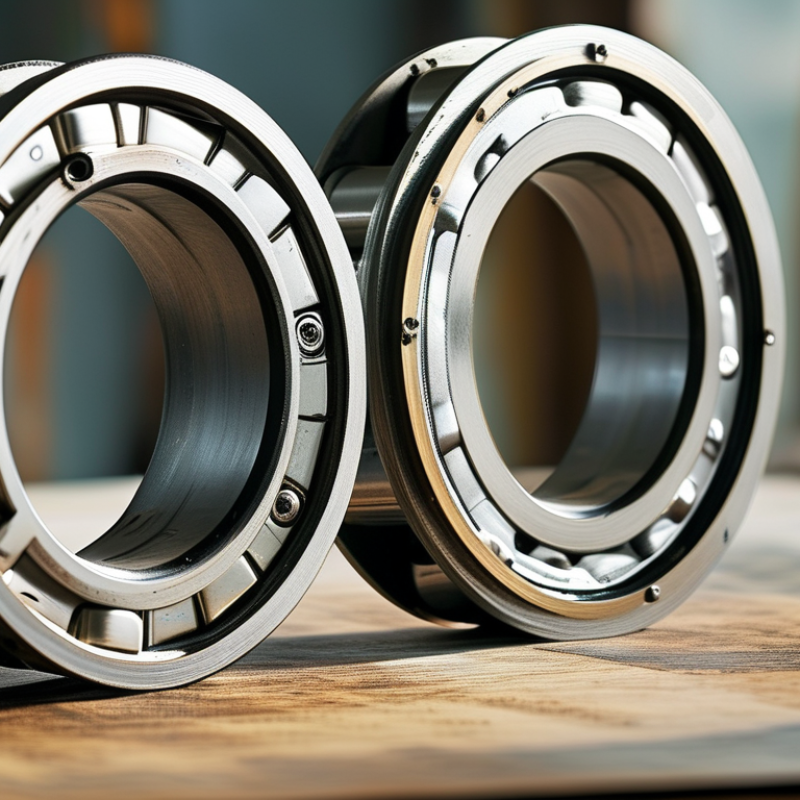
Choosing the right slewing bearing for your project is a critical task. These components play a vital role in various applications, from construction machinery to wind turbines. A reliable slewing bearing ensures smooth operation and enhances overall project efficiency.
Understanding different types of slewing bearings is essential. Factors such as load capacity, size, and environmental conditions deeply influence your selection. It's not merely about preference; one slight oversight could lead to significant project delays. Many engineers underestimate the importance of these details, resulting in costly mistakes.
In this guide, we will explore the top ten tips for choosing slewing bearings effectively. We aim to equip you with knowledge for informed decisions. The right selection can prevent future issues and improve performance. Remember, a thoughtful choice today paves the way for smoother operations tomorrow.
Understanding the Basics of Slewing Bearings and Their Applications
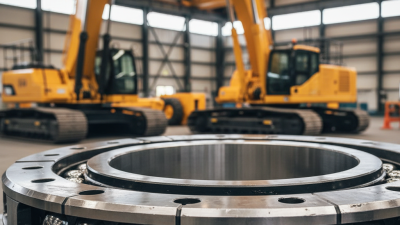
Slewing bearings play a crucial role in various applications, including construction machinery, rotation devices, and telescopic cranes. According to industry reports, the global slewing bearings market was valued at approximately $2.5 billion in 2022, and it is projected to grow significantly. This growth indicates a rising demand for these components across multiple sectors. Understanding their functionality is essential for project managers and engineers.
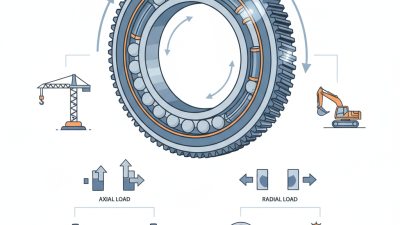
These bearings allow for smooth, controlled rotation, making them ideal for applications requiring precision. They are designed to withstand high loads and radial forces, which are common in machinery. Additionally, slewing bearings come in various types, like four-point contact and double-row ball types, each suited for different applications. The choice of bearing directly impacts the efficiency and safety of machines.
It's important to note that while slewing bearings are robust, they can present challenges. Issues like misalignment and wear can affect performance. Regular maintenance and inspections are necessary to mitigate these concerns. Engaging with reliable suppliers who can provide detailed technical specifications also enhances the decision-making process. As demand grows, staying informed about advancements in slewing bearing technology can lead to better project outcomes.
Key Factors to Consider When Selecting Slewing Bearings for Projects
When selecting slewing bearings for a project, several key factors must be considered. The load capacity is critical. It determines how much weight the bearing can support without premature failure. According to industry reports, understanding dynamic and static loads is essential. Engineers often overlook the importance of torque specifications. Different applications require varying torque levels to maintain performance.
Another significant factor is environmental conditions. Bearings exposed to harsh environments can corrode or wear out quickly. For instance, a study from a leading engineering association revealed that nearly 30% of bearing failures are due to inappropriate material selection. Corrosion-resistant materials, like stainless steel, can enhance longevity. Additionally, proper sealing mechanisms are vital to protect against contaminants.
Lastly, installation and maintenance cannot be ignored. Improper installation leads to misalignments, which cause premature wear. Many projects fail to account for maintenance schedules. Regular inspections can mitigate costly replacements and failures. A data analysis from a reliability engineering journal states that consistent maintenance can extend bearing life by up to 50%. Choosing the right slewing bearings is a blend of careful consideration and ongoing assessment of operational conditions.
Material Selection: Optimizing Durability and Performance in Slewing Bearings
When selecting slewing bearings, material choice is crucial for durability and performance. Common materials include steel, brass, and polymer. Steel is often favored for its strength, while brass provides good corrosion resistance. However, polymer options can be lightweight and resistant to certain chemicals, making them suitable in specific applications.
You should consider the operating environment. High-stress scenarios may require stronger materials. If the bearing will face exposure to harsh elements, corrosion-resistant materials are essential. Some users overlook this aspect, resulting in premature failure. Understanding environmental demands is key to optimizing performance.
Testing is advisable before finalizing your material choice. Practical evaluations offer insights that specifications may not show. Beware of relying solely on theoretical data; real-world conditions can vary widely. An informed approach enhances the longevity and reliability of your slewing bearings in any project.
Load Capacities and Operational Conditions: Ensuring Proper Bearing Function
When selecting slewing bearings, understanding load capacities and operational conditions is critical. These elements are essential for maintaining proper bearing function. Evaluating the anticipated load is vital. This includes both static and dynamic loads. Different projects have varying demands. It's crucial to match the bearing capacity to these needs.
Consider the environment where the bearing will operate. Factors like temperature, humidity, and potential contaminants are significant. High temperatures can affect lubrication. Dust and moisture may lead to corrosion. It's essential to choose materials that withstand these conditions. Assessing these operational aspects helps in making informed decisions.
Tip: Always consult technical specifications. These documents provide crucial insights into load limits and materials used. They also highlight the bearing's design and intended applications. Another important tip is to engage with experts. Their experience can guide you in selecting the right bearing for your needs. This avoids potential miscalculations and future maintenance issues. Inadequate knowledge can lead to failure in harsh environments. Relying on expertise can save time and resources.
Maintenance and Longevity: Best Practices for Slewing Bearings Care
Slewing bearings play a crucial role in machinery, and their maintenance is vital for longevity. Regular inspections can spot potential issues early. Look for signs of wear, such as strange noises or abnormal vibrations. These signals often indicate internal damage. Addressing these early can prevent costly failures.
Lubrication is a key step in bearing care. Use the correct type of grease or oil, and apply it regularly. This helps reduce friction and wear. However, over-lubricating can lead to contamination. It's essential to strike a balance. Ensure there's a routine for lubrication checks. Create a maintenance log to track each service.
Environmental factors can also impact slewing bearings. Dust, moisture, and extreme temperatures can accelerate wear. Consider protective covers in harsh conditions. Inspect seals regularly to ensure they are intact. Keeping the bearings clean and protected can extend their service life significantly. It's not always easy, but diligence in maintenance pays off. Reflect on your processes and make adjustments as necessary.
Top 10 Tips for Choosing Slewing Bearings for Your Project
| Tip Number |
Tip Description |
Maintenance Best Practices |
Expected Longevity |
| 1 |
Identify Load Requirements |
Regularly assess load conditions |
10-15 years |
| 2 |
Select Appropriate Material |
Use stainless steel for corrosion resistance |
15+ years |
| 3 |
Consider Environmental Conditions |
Implement protective coatings |
10 years |
| 4 |
Consult Manufacturer Specifications |
Follow guidelines for lubrication |
10-20 years |
| 5 |
Evaluate Size and Weight |
Ensure proper adjustment and alignment |
12-18 years |
| 6 |
Check for Assembly Compatibility |
Regular checks for tightness |
15 years |
| 7 |
Research Noise Levels |
Monitor for unusual sounds |
10 years |
| 8 |
Assess Speed Requirements |
Regularly check speed consistency |
12-16 years |
| 9 |
Consider the Application Type |
Tailor maintenance according to duty cycles |
10-15 years |
| 10 |
Plan for Regular Inspections |
Implement a scheduled maintenance routine |
15-20 years |

 +86-13349293098
 Contact WhatsApp
 Contact Email