How to Choose the Right Slewing Circle Bearing for Your Needs?
Choosing the right Slewing Circle Bearing can be challenging. These components are vital in various applications, including cranes, construction machinery, and wind turbines. Selecting the correct bearing ensures optimal performance and longevity. Missteps in choice can lead to costly repairs and downtime.
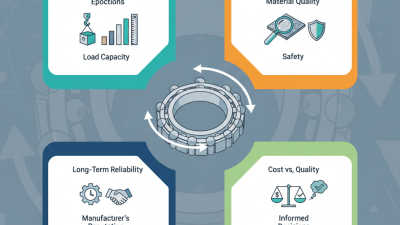
You must consider specific factors. Load capacity is crucial. Each application demands different strength levels. Ensure the bearing can handle expected loads. The dimension specifications play a significant role too. Incorrect sizes lead to poor fit and functionality. Additionally, the material impacts durability and resistance to environmental factors.
Thorough research is essential. Seek expert opinions or manufacturer guidelines. Reviews can provide insights into reliability. Remember, selecting a Slewing Circle Bearing is not a trivial task. Take your time. Often, reflecting on past choices can guide you to better decisions. Your equipment's performance depends directly on this choice.
Understanding Slewing Circle Bearings and Their Applications
Slewing circle bearings play a crucial role in various heavy machinery applications. These components allow for rotational movement in cranes, excavators, and other equipment.
According to a recent industry report, the demand for slewing bearings is anticipated to grow by 5.5% annually over the next five years, driven by increased construction projects worldwide. Understanding the specific needs of your application helps in selecting the right bearing.
When assessing slewing circle bearings, consider factors like load capacity, size, and environmental conditions. Bearings experience different loads during operation, including axial, radial, and moment loads. A study published by the International Journal of Mechanical Engineering highlighted that improper bearing selection could lead to operational failures in machinery, causing downtime and increased maintenance costs. In fact, 30% of mechanical failures in construction equipment are attributed to inappropriate bearing choices.
Applications vary widely from industrial machinery to renewable energy projects. For instance, wind turbines utilize large slewing bearings, which require precise engineering for optimal performance. The tolerance levels demanded in these conditions are strict. Yet, operators often overlook these specifications, leading to over or under-sizing. It’s critical to review the operational requirements and consult with manufacturers to ensure quality and reliability.
Key Factors to Consider When Choosing a Slewing Circle Bearing
When selecting a slewing circle bearing, consider your specific application requirements. Load capacity is crucial. Think about static and dynamic loads the bearing will withstand. Each application has unique needs. Oversizing can increase costs unnecessarily. Undersizing may lead to premature failure.
The environment also plays a significant role. Are there extreme temperatures or exposure to moisture? These factors can impact the bearing's material selection. Corrosion-resistant options may be essential in harsh conditions. Proper lubrication is another key factor. It influences the lifespan and performance of the bearing.
Finally, installation practices matter. Improper installation can lead to issues like misalignment or uneven stress distribution. Ensure your team is trained to install the bearings correctly. Regular maintenance checks can help identify early signs of wear. Keep in mind that every choice impacts performance. Be prepared to reassess your decisions as conditions change.
Types of Slewing Circle Bearings and Their Unique Features
When selecting a slewing circle bearing, understanding the different types available is crucial. Slewing circle bearings come in various designs, including single-row, double-row, and three-row configurations. Each type has unique features. For example, single-row bearings are often lighter and more cost-effective but may lack the load capacity needed for larger applications.
Double-row bearings provide increased load capacity and stability. This makes them ideal for cranes or heavy machinery. However, they can be bulkier and may require more precise installation. Three-row bearings excel in high-load scenarios, distributing weight evenly across the bearing. Although these options offer superior performance, their complexity may pose challenges during maintenance.
It's essential to consider these factors when choosing a slewing circle bearing. The industry often overlooks the importance of proper alignment and installation. Neglecting these details can lead to premature wear. Choosing the right type based on application helps ensure longevity and reliability. Balancing capacity, size, and ease of maintenance is key to making the best decision for your needs.
How to Choose the Right Slewing Circle Bearing for Your Needs?
| Type of Slewing Circle Bearing |
Load Capacity (kN) |
Diameter (mm) |
Special Features |
| Single Row Ball Slewing Bearing |
30 - 100 |
200 - 1000 |
High precision, low friction |
| Double Row Ball Slewing Bearing |
50 - 150 |
300 - 1200 |
Higher load capacity, compact design |
| Cross Roller Slewing Bearing |
20 - 80 |
250 - 800 |
Suitable for high axial and radial loads |
| Three Row Roller Slewing Bearing |
100 - 250 |
400 - 1500 |
High stability, optimal for heavy machinery |
| Gearless Slewing Bearing |
40 - 120 |
200 - 1000 |
Low maintenance, smoother operation |
Assessing Load Capacity and Performance Requirements
When selecting a slewing circle bearing, load capacity and performance requirements are paramount. Evaluating the weight and dynamic forces the bearing will endure is crucial. Reports indicate that exceeding the load capacity can shorten the bearing's lifespan significantly, by up to 30%.
Understanding the environment where the bearing will operate is essential. Factors like temperature, moisture, and exposure to contaminants can impact the performance of the bearing. It’s wise to consider operational conditions and any potential stresses on the bearing.
Tips: Always account for a safety margin in load calculations. Overloading can lead to high costs in repairs and replacements. Look into environmental sealing options if the application is in harsh conditions. Ensuring proper maintenance can enhance performance and longevity, but it's often overlooked.
Evaluating these factors can seem overwhelming. Consulting industry reports and standards can provide insights. The wrong choice in a slewing circle bearing can lead to failures that disrupt operations. Take your time, as every detail counts in achieving peak performance and reliability.
Maintenance Tips for Prolonging Slewing Circle Bearing Life
Slewing circle bearings are crucial in various applications, from construction to renewable energy. Proper maintenance is key to extending their lifespan and ensuring optimal performance. Regular inspections can help identify issues before they escalate. Checking for unusual wear or noise can save costly repairs down the line.
Lubrication is essential. It reduces friction and prevents overheating. Use the manufacturer's recommended lubricant for best results. Clean the bearing regularly to avoid debris buildup. This can lead to premature failure. Consider the environment too; dust or moisture can compromise the bearing's integrity.
Tracking operating conditions is also important. High loads and speeds may require more frequent attention. Documenting changes in performance can reveal trends that need to be addressed. These steps might seem basic, but neglecting them can lead to significant downtime. Regular commitment to these practices can lead to more efficient operations.
How to Choose the Right Slewing Circle Bearing for Your Needs?
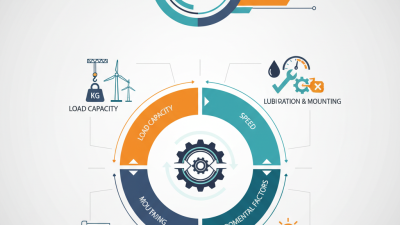
This chart illustrates the key metrics to consider when choosing a slewing circle bearing. It highlights load capacity, speed, operating temperature, cost, and size, providing a visual representation for better understanding and comparison.

 +86-13349293098
 Contact WhatsApp
 Contact Email