Slewing Bearing Tips for Buying the Best Quality Options?
When it comes to heavy machinery and construction equipment, the quality of components is critical. Slewing bearings play a vital role in ensuring that these machines operate smoothly and efficiently. Their function is to support heavy loads while allowing for rotation and movement, making them essential for cranes, excavators, and other rotary systems.
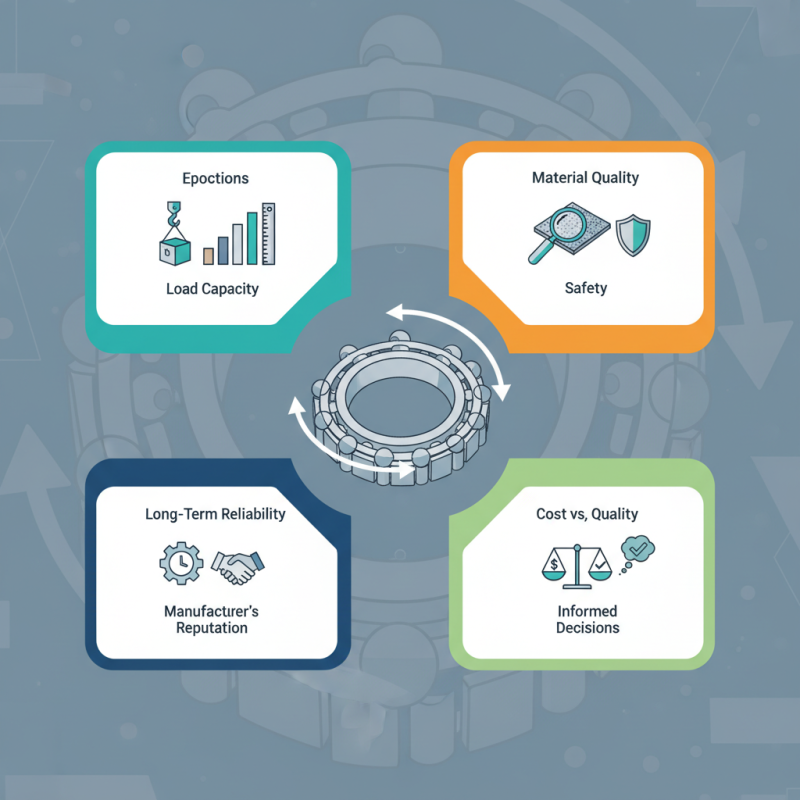
Choosing the right slewing bearing can be challenging. Many factors come into play, such as load capacity, size, and material quality. A minor oversight can lead to significant operational issues or even safety hazards. Understanding the differences between various options is crucial for making informed decisions. Treating slewing bearings as mere components can result in overlooked quality, leading to costly repairs.
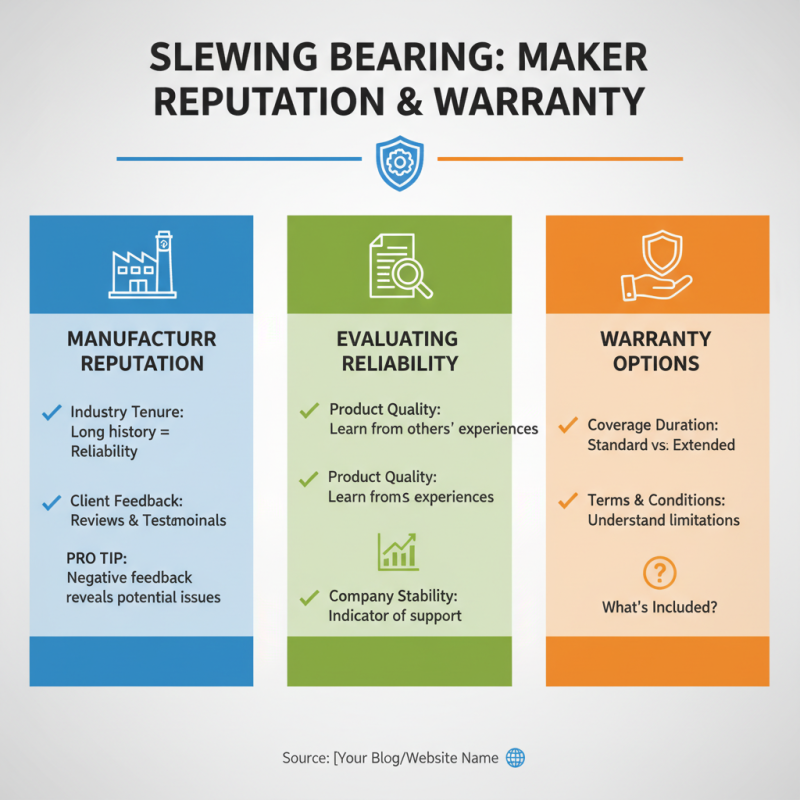
Investing in high-quality slewing bearings is not just about initial costs. It is also about long-term reliability and performance. Considerations like the manufacturer's reputation and the bearing's specifications matter. Reflecting on past purchasing experiences can provide insights into what to prioritize. Striking a balance between cost and quality ensures the safest and most efficient operation of your equipment.
Understanding Slewing Bearings: Types and Applications
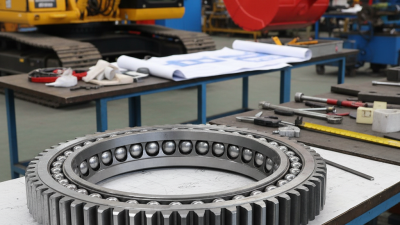
Slewing bearings are crucial components in various machinery. They enable smooth rotational movements in applications like cranes, excavators, and wind turbines. Understanding the types of slewing bearings can guide you in selecting the right one for your needs. Common types include ball, roller, and combined (ball and roller) slewing bearings. Each type offers unique benefits and varying load capacities, making it essential to match the bearing type with your specific application.
Application contexts vary widely. In construction, large slewing bearings support heavy crane arms and facilitate lifting. In renewable energy, these bearings help turn wind turbine blades to capture wind efficiently. While they excel in these roles, some users overlook the importance of proper installation and maintenance, leading to premature wear. It's essential to consult industry guidelines for these practices, ensuring your equipment remains reliable over time. Think about your operational environment, as factors like temperature and moisture can impact performance and longevity.
Slewing Bearing Tips for Buying the Best Quality Options
| Type of Slewing Bearing |
Application |
Load Capacity (kN) |
Inner Diameter (mm) |
Outer Diameter (mm) |
Material |
| Cross Roller Bearing |
Robotics, Automation |
45 |
50 |
80 |
Alloy Steel |
| Ball Slewing Bearing |
Construction Machinery |
80 |
60 |
100 |
Carbon Steel |
| Gear Type Slewing Bearing |
Wind Turbines |
120 |
80 |
130 |
Stainless Steel |
| Four-point Contact Bearing |
Mining Equipment |
200 |
100 |
150 |
Nickel Alloy |
| Solid Pillow Block Bearing |
Agricultural Machinery |
50 |
40 |
70 |
Bronze |
Key Factors to Consider When Buying Slewing Bearings
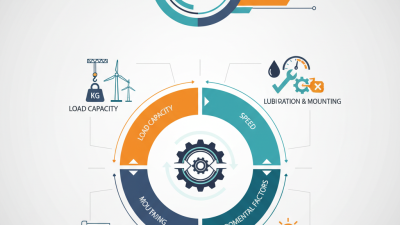
When choosing slewing bearings, several key factors come into play. The first is the load capacity. Knowing the specific load requirements of your application helps in selecting the right bearing. A bearing that is too weak can lead to failure. Conversely, an oversized bearing may waste resources and increase costs without offering benefits.
Material quality is another crucial factor. Slewing bearings are typically made from steel or other alloys. These materials must withstand stress and corrosion. Assessing the environment where the bearing will be used is essential. High humidity or chemical exposure can affect performance.
The design and precision of the bearing will also impact its efficiency. Look for bearings with high precision ratings. This ensures a smoother operation and longer lifespan. Be mindful that some suppliers might market lower-quality products under misleading labels. Always verify product specifications with reliable sources. Understanding your needs and the bearing specifications can ultimately lead to better decisions.
Slewing Bearings Quality Factors
Material Quality and its Impact on Slewing Bearing Performance
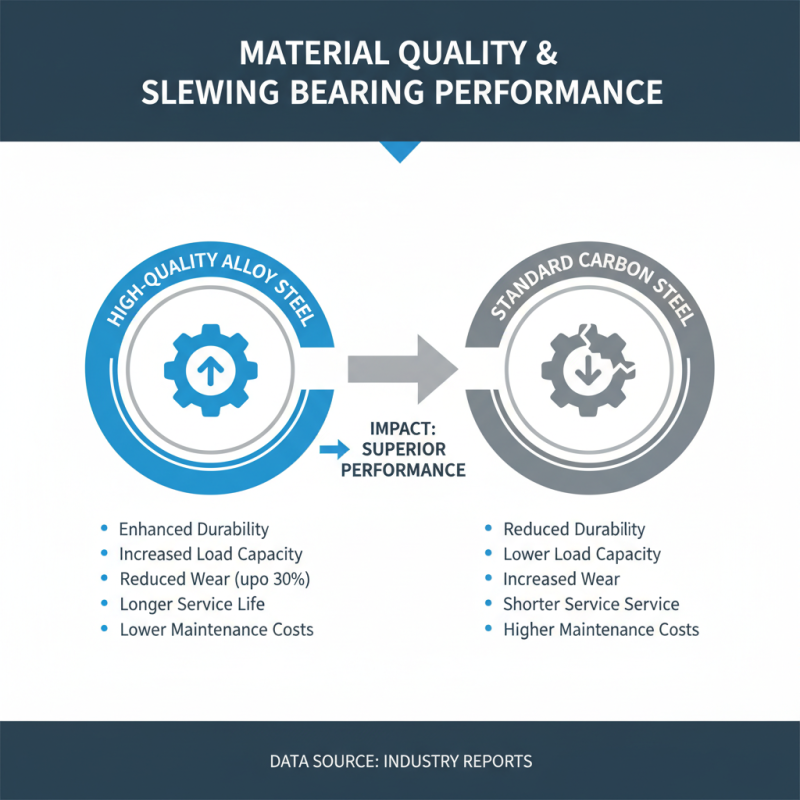
When selecting slewing bearings, the material quality plays a crucial role in their performance. High-quality steel, for instance, significantly enhances durability and load-bearing capacity. Data from industry reports indicate that bearings made from alloy steel can reduce wear by up to 30% compared to standard carbon steel. This improvement can lead to longer service life and reduced maintenance costs.
In addition to steel quality, the bearing surface treatment matters. Smooth finishes and coatings can decrease friction. According to a study by an engineering journal, using advanced coatings can lessen friction levels by 20%. This reduction is vital for heavy machinery operating under extreme conditions. Users often overlook these aspects, leading to premature failure.
Despite the apparent advantages, it's essential to balance cost with quality. Sometimes, cheaper options may seem appealing, but they frequently contain subpar materials. This choice can result in higher failure rates, increasing overall operational costs over time. Managers must reflect on their choices carefully. The right material choice can make a significant difference in reliability and operational efficiency.
Maintenance Tips for Prolonging Slewing Bearing Lifespan
Slewing bearings are crucial in various machinery applications. Proper maintenance is essential for prolonging their lifespan. Here are some effective tips to keep in mind.
Regular inspection is key. Check for unusual noises and vibrations. These can indicate underlying issues. Clean the bearings regularly to remove debris. Failing to do so can lead to increased wear. Use appropriate cleaning agents that won't damage the components.
Lubrication plays a vital role. Use the right type and amount of lubricant. Insufficient lubrication can lead to overheating and failure. Ensure you apply lubricant evenly, reaching all surfaces. Monitor lubrication levels consistently.
Finally, pay attention to your operating environment. Extreme temperatures and humidity can impact bearing performance. Make adjustments to your machinery if conditions change. Creating a stable environment can help prevent unexpected failures. Taking these steps can significantly enhance the life of your slewing bearings.

 +86-13349293098
 Contact WhatsApp
 Contact Email