Top Tips for Choosing the Right Wood Splitter Cylinder?
Choosing the right wood splitter cylinder is crucial for efficient wood processing. A suitable cylinder increases performance and enhances safety during operation. Several factors influence your decision, including size, pressure capacity, and compatibility with your machine.
Understanding these elements can be challenging. Beginners often overlook the importance of cylinder quality. A lower-quality wood splitter cylinder may lead to mechanical failures. It's essential to choose a cylinder that meets industry standards and has positive reviews from users.
Consulting experts or trusted sources adds value to your selection process. Look for cylinders made from durable materials to ensure longevity. Keep in mind that a well-chosen wood splitter cylinder can make a significant difference in your experience and productivity.
Understanding the Importance of Wood Splitter Cylinders
When selecting a wood splitter cylinder, understanding its significance is crucial. The cylinder is the heart of a wood splitter. It generates the force needed to drive the splitting wedge into the wood. Choosing the right cylinder ensures efficiency and success in splitting various types of wood. A cylinder that is too small may struggle with larger logs, while an oversized one can waste energy and lead to equipment strain.
The stroke length is an essential factor as well. It determines how far the splitting wedge moves, impacting the speed of the splitting process. Short strokes suit small logs, while longer strokes excel with larger ones. Many overlook this detail. They often underestimate the complexities involved in splitting different woods.
Cylinder bore size also influences the splitting power. A larger bore can deliver more force but may require a more powerful engine.
Investing adequate time in research can prevent costly mistakes. Some users pick cylinders based on price rather than specifications. This can lead to frustration and inefficiency. A reliable wood splitter cylinder will enhance productivity and reduce downtime. Consider your specific wood types and the volume you plan to split. Reflect on your past experiences with different setups, as they can guide your decision for the future.
Factors to Consider When Selecting a Wood Splitter Cylinder Size
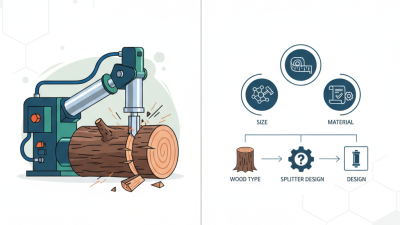
When selecting a wood splitter cylinder, size matters. The cylinder should match the log sizes you plan to split. If you work with larger logs, a bigger cylinder is necessary. A small cylinder may struggle with thick wood. It can slow down your work and lead to frustration.
Think about the splitting force. A more powerful cylinder can handle tougher materials. However, too much power can be overkill for smaller logs. Assess your typical workload. Knowing the types of wood you split helps determine the right force needed.
Consider the hydraulic system as well. A well-designed system improves efficiency. It can also affect the cylinder's performance. Faulty hydraulics can lead to wasted time. Regular maintenance is crucial to avoid issues. An improperly sized or maintained cylinder can fail. Take these factors into account before making a decision.
Material Quality: Evaluating Cylinder Durability and Strength
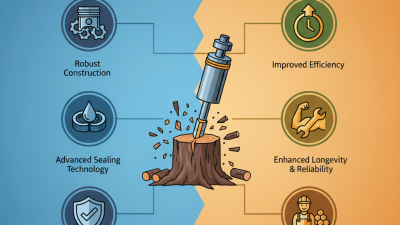
When choosing a wood splitter cylinder, material quality is essential. A durable cylinder withstands intense pressures. Steel is a common choice for its robustness. However, not all steel is equal. Some may have impurities that compromise strength. Look for cylinders with high tensile strength ratings. This ensures they can handle the demands of heavy splitting tasks without warping or failing.
Consider the thickness of the cylinder walls. Thicker walls generally offer better durability. Yet, be cautious; thickness alone doesn't determine quality. Analyze the manufacturing process. Poor processes can lead to defects hidden under the surface. Visual inspections can reveal cracks or uneven layers that impact performance.
It's wise to consult experts or reviews before choosing. Experience counts. Their insights might highlight potential issues. Don’t disregard warranty information. A solid guarantee often indicates confidence in the product's durability. Reflect on past experiences; what worked well? What didn’t? Learning from previous choices is invaluable when making this investment.
Hydraulic Specifications: Matching Cylinder Pressure and Force
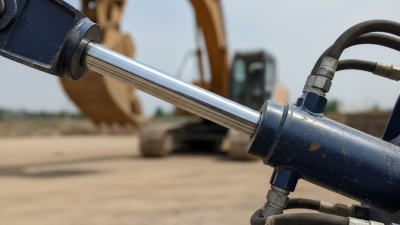
Choosing the right hydraulic cylinder for your wood splitter is crucial.
A well-suited cylinder enhances efficiency and ensures safety during operation. You must understand the hydraulic specifications, specifically cylinder pressure and force. Determining the right specifications can dramatically impact performance.
Pressure ratings are essential. Most wood splitters require cylinders that can handle substantial pressure. Look for a cylinder that matches your splitter's specifications.
The force exerted by the cylinder must align with the type of wood you routinely split. Softer woods require less force, while dense hardwoods need more power. Misjudging these requirements could lead to inefficient splitting or even equipment damage.
When selecting a cylinder, consider size and stroke length. A longer stroke can help with larger logs, but it may complicate handling and maneuverability. Balance is key.
It's common for users to underestimate the importance of matching these components effectively. Make sure to consult reliable resources or professionals if you feel uncertain. Proper research can save you headaches in the long run.
Budget Considerations: Balancing Quality with Cost in Selection
When selecting a wood splitter cylinder, budget plays a crucial role. A balance between quality and cost is essential. According to industry reports, high-quality cylinders often come at a higher price. However, investing in durable materials can lead to long-term savings. Estimates show that high-quality splitters can operate efficiently up to 20% longer than their cheaper counterparts. That's a significant advantage for frequent users.
It's vital to consider not just the upfront cost, but also the lifecycle costs. For instance, cheaper models may need repairs sooner, leading to increased expenses. Many users overlook this fact. Data suggests that maintenance for lower-end models can exceed initial savings. Therefore, weighing the cost of repairs against the purchase price is crucial.
Keep in mind that every budget has its limits. A cylinder that fits your financial plans should also meet your operational needs. The ideal option isn’t always the most expensive. Research shows that mid-range models can provide excellent performance. Yet, some buyers tend to chase lower prices, risking quality and reliability. Understanding these dynamics can help make an informed decision.
Top Tips for Choosing the Right Wood Splitter Cylinder
| Feature |
Budget Range (USD) |
Quality Rating (1-5) |
Best Use Case |
| Hydraulic Pressure |
$300 - $500 |
5 |
Heavy-duty splitting |
| Cylinder Diameter |
$200 - $400 |
4 |
Medium splitting tasks |
| Rod Length |
$150 - $300 |
3 |
Light to medium tasks |
| Material Quality |
$100 - $250 |
4 |
General use |
| Warranty Period |
$75 - $150 |
5 |
Long-term reliability |

 +86-13349293098
 Contact WhatsApp
 Contact Email