How to Select the Best Agricultural Cylinders for Your Needs?
Selecting the right agricultural cylinders is crucial for operational efficiency. Expert Mark Johnson, a seasoned engineer in agricultural hydraulics, states, “Choosing the right cylinders can make or break your farm's productivity.” This statement highlights the significant role agricultural cylinders play in modern farming.
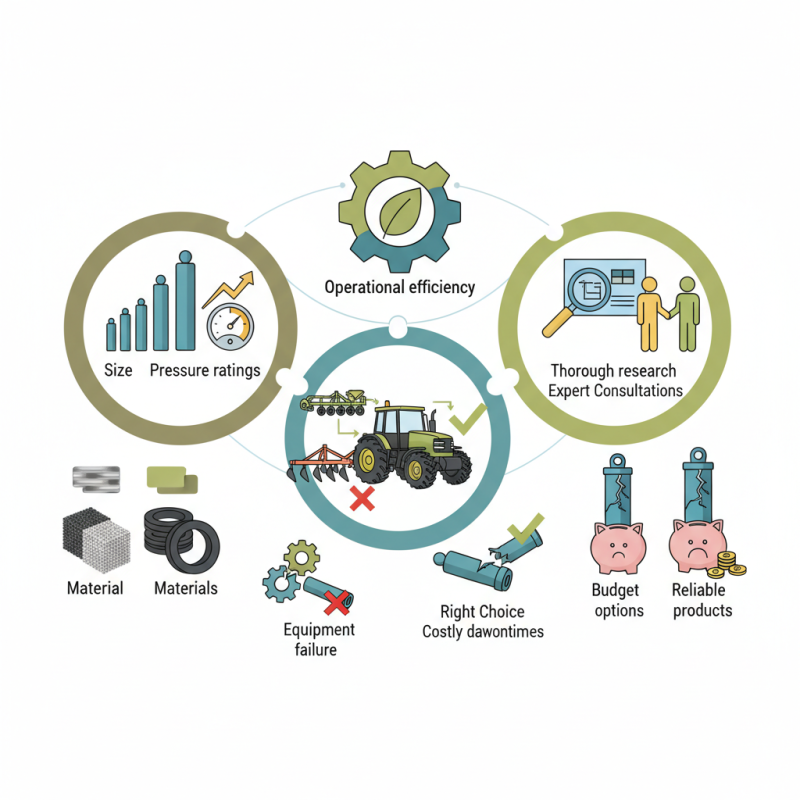
When considering agricultural cylinders, factors such as size, pressure ratings, and materials are essential. Each farm has unique demands. Using the wrong cylinder can lead to equipment failure and costly downtimes. For example, a farmer may choose a hydraulic cylinder with insufficient pressure capacity. This choice can hinder productivity and lead to equipment failures during critical planting or harvesting seasons.
Additionally, quality is paramount. Not all manufacturers provide reliable products. Budget options often sacrifice durability. While it may be tempting to save costs, a poor choice can yield regret during peak operational periods. Thus, thorough research and expert consultations are vital to ensuring that the selected agricultural cylinders meet the rigorous demands of modern farming.
Understanding the Different Types of Agricultural Cylinders Available
When selecting agricultural cylinders, it’s crucial to understand the various types available. Agricultural cylinders are typically categorized by their function. Common designs include double-acting cylinders, single-acting cylinders, and telescopic cylinders. Each type serves specific tasks in farming operations.
Double-acting cylinders are more versatile. They can push and pull with equal force. This design makes them suitable for tasks like lifting and lowering equipment. On the other hand, single-acting cylinders only apply force in one direction. They rely on gravity or springs for the return stroke. This limits their applications but can be effective for simpler operations. Telescopic cylinders provide extended reach. They can extend significantly, making them ideal for tractors that need added height.
Choosing the right type can be challenging. Factors like load requirements and available space play roles. It's also essential to consider the cylinder's mounting style. Proper installation will affect performance and longevity. Ignoring these details can lead to inefficiencies or costly repairs. Understanding the specifics allows farmers to make better decisions. This knowledge ultimately improves productivity and reduces downtime on the farm.
How to Select the Best Agricultural Cylinders for Your Needs?
| Type of Cylinder |
Application |
Pressure Rating |
Size (inches) |
Material |
| Double Acting Cylinder |
Plowing and Soil Preparation |
2000 PSI |
2 |
Steel |
| Single Acting Cylinder |
Lift and Lower Equipment |
1500 PSI |
3 |
Aluminum |
| Telescopic Cylinder |
Dump Trailers |
3000 PSI |
4 |
Carbon Steel |
| Directional Control Cylinder |
Agricultural Machinery |
2500 PSI |
5 |
Stainless Steel |
Key Factors to Consider When Selecting Agricultural Cylinders
Selecting the right agricultural cylinders is crucial for optimizing farm operations. When considering options, durability is a top priority. Agricultural cylinders often face harsh conditions, so materials must withstand corrosion and physical stress. Look for cylinders crafted from high-quality metals or advanced composites.
Compatibility with equipment is another essential factor. Not all cylinders fit every machine. Understanding your equipment's specifications will save time and prevent costly mistakes. Pay attention to sizes, pressure ratings, and connection types. Oversights here can lead to performance issues or even equipment failure.
Finally, maintenance requirements should not be overlooked. Some cylinders are easier to service than others. Regular inspections and maintenance extend the life of your equipment. Choose cylinders designed with accessibility in mind. It’s beneficial to focus on these key factors for better performance and longevity in your agricultural practices.
How to Select the Best Agricultural Cylinders for Your Needs?
This chart illustrates key factors to consider when selecting agricultural cylinders, including load capacity, stroke length, weight, cost, and durability. Evaluate these metrics to choose the best cylinder for your specific agricultural needs.
Evaluating Performance Characteristics of Agricultural Cylinders
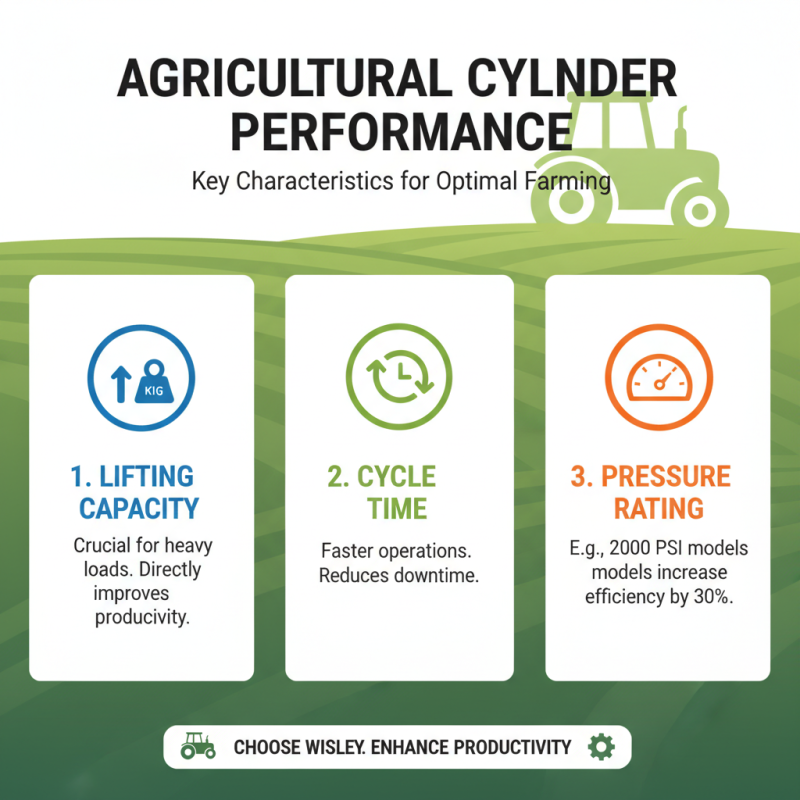
When selecting agricultural cylinders, evaluating their performance characteristics is crucial. Performance metrics like lifting capacity, cycle time, and pressure rating should guide your choice. Studies show that cylinders with a higher lifting capacity significantly improve productivity in farming operations. For example, cylinders rated at 2000 PSI can enhance efficiency by up to 30% compared to standard models.
Another critical factor is the material and design of the cylinder. Many experts recommend steel for its durability in harsh conditions. However, aluminum cylinders are lighter and may offer advantages in specific applications. Recent reports indicate that improper cylinder selection can lead to system failures, impacting yield. Therefore, assessing environmental conditions is important, as extreme temperatures can affect cylinder performance.
Moreover, regular maintenance and inspections are vital. Experts suggest that 20-30% of agricultural equipment issues stem from neglected hydraulic systems. Timely checks can prevent costly downtimes and extend a cylinder's lifespan. The decision-making process should involve input from multiple stakeholders to ensure all performance aspects are considered.
Assessing Compatibility with Agricultural Equipment and Tools
When selecting agricultural cylinders, compatibility with your existing equipment is crucial. You must assess the specifications of your tools and machines. Focus on key aspects, such as the type of hydraulic fittings and pressure ratings. Improper fit can lead not just to inefficiencies but also to safety hazards. Therefore, review the manual of your agricultural tools carefully.
Hydraulic efficiency matters. Mismatched cylinders can cause leaks or failures. Always consider the dimensions of the cylinder and how they align with your equipment. Measure the existing parts to avoid any guesswork. Sometimes, a small difference in the bore size can lead to significant performance issues. Reach out to experts for guidance when in doubt.
Farming practices evolve, and so should your equipment. Reflect on your current needs and future changes in your agricultural processes. New tasks may require different cylinder specifications. Staying informed can save you from costly mistakes. Ensure that your chosen cylinders meet both current demands and anticipated challenges in your farming operations.
Cost Analysis: Budgeting for Quality Agricultural Cylinders
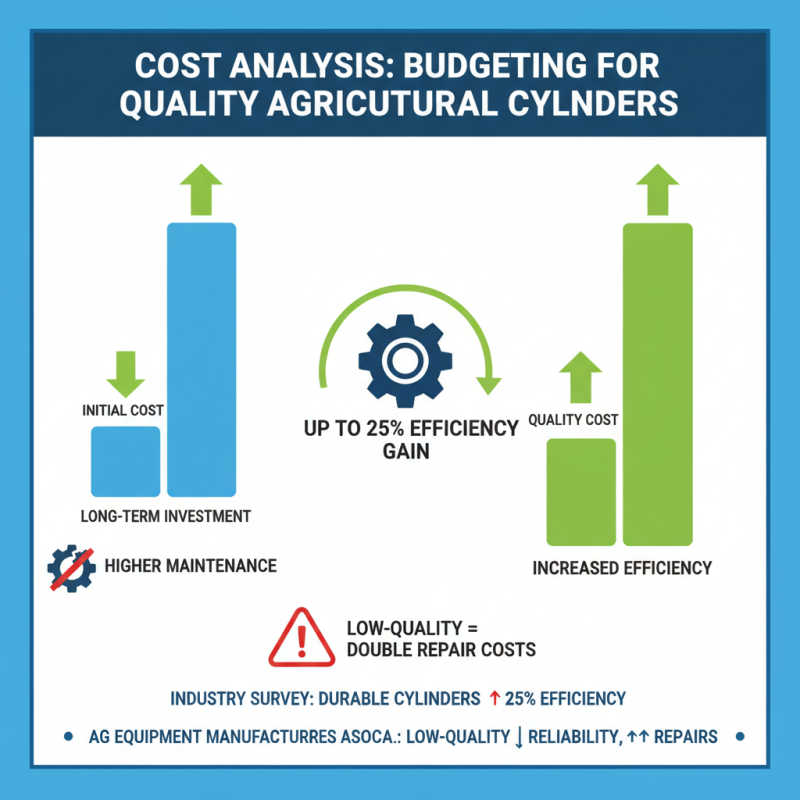
When budgeting for agricultural cylinders, understanding the initial costs versus long-term investments is essential. A recent industry survey highlighted that durable cylinders can increase efficiency by up to 25%. If farmers opt for cheaper options, maintenance costs may rise dramatically. According to the Ag Equipment Manufacturers Association, low-quality cylinders can lead to higher failure rates, potentially costing double in repairs.
On average, a quality agricultural cylinder costs between $200 to $600. This can seem steep upfront. However, investing in reliable options significantly reduces the frequency of replacements. Data indicates that high-quality cylinders last up to three times longer than their cheaper counterparts. Farmers should consider the total cost of ownership rather than focusing solely on purchasing prices.
Some farmers may find value in locally sourced cylinders for better service and support. However, it's important to verify the specifications and materials used. A cylinder that meets safety standards can improve operational reliability. Research often reveals that cost-effective solutions require careful analysis. Farmers need to reflect on their unique operational demands before making a decision.

 +86-13349293098
 Contact WhatsApp
 Contact Email