What is a Hydraulic Oil Cylinder and How Does It Work?
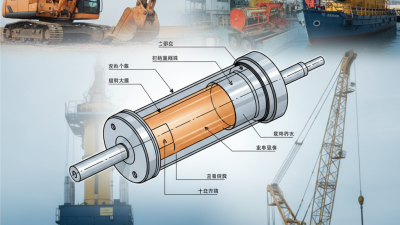
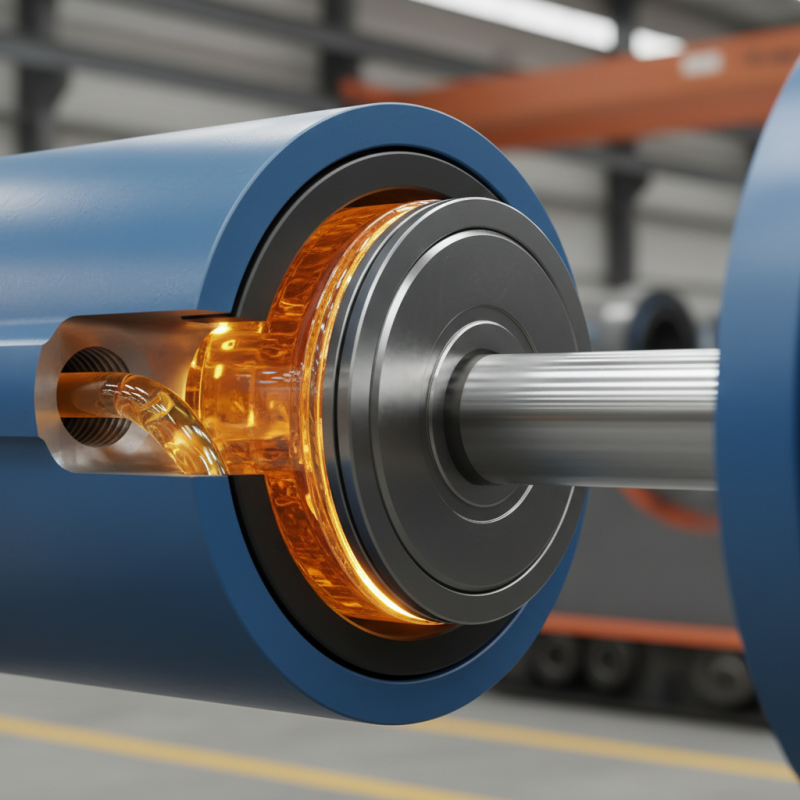
A Hydraulic Oil Cylinder is a crucial component in many industrial machines. It converts hydraulic energy into linear motion, allowing machinery to perform various tasks with precision. The design of a hydraulic cylinder includes a cylindrical barrel, a piston, and hydraulic fluid. When pressure is applied, the fluid moves the piston, generating force.
These cylinders are highly effective in lifting heavy loads. They are commonly found in construction equipment, manufacturing lines, and automotive applications. Their efficiency can lead to improved productivity and reduced operational costs. Yet, maintenance is essential for optimal performance, as wear and tear can cause failures. Regular checks and timely replacements can ensure reliability.
Understanding how a Hydraulic Oil Cylinder operates requires knowledge of hydraulics. This system works based on Pascal's principle, which states that pressure applied to a confined fluid is transmitted undiminished. While these systems are robust, they are not invincible. Factors like improper usage and lack of maintenance can lead to malfunction. An informed approach is necessary for maximizing their potential.
Definition and Function of a Hydraulic Oil Cylinder
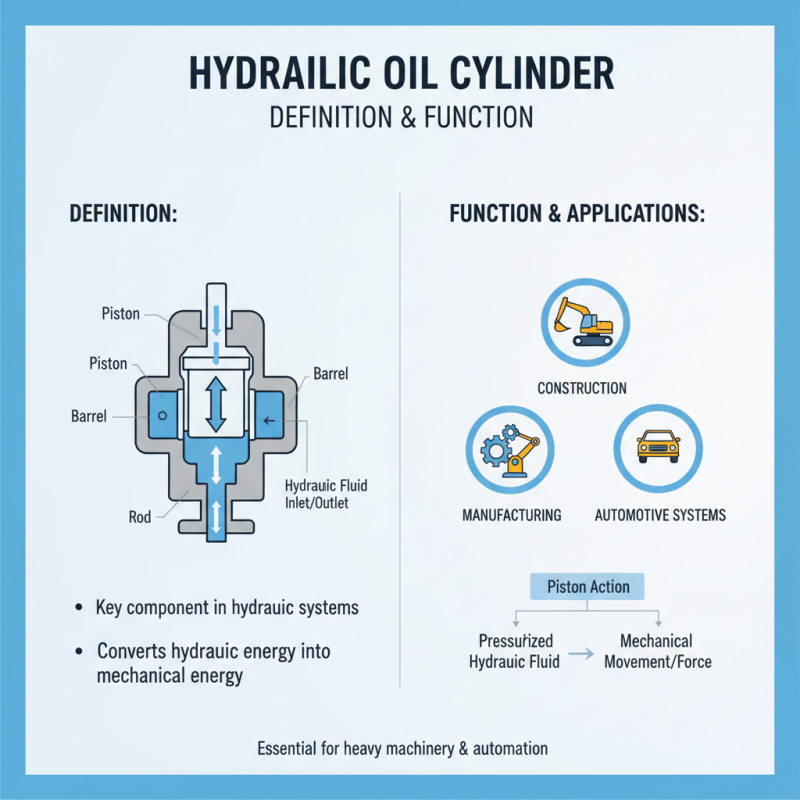
A hydraulic oil cylinder is a key component in hydraulic systems. It converts hydraulic energy into mechanical energy. This conversion is crucial for a variety of applications, including construction equipment, manufacturing machinery, and automotive systems. The cylinder operates by using pressurized hydraulic fluid, which creates movement through piston action.
The function of a hydraulic oil cylinder is straightforward yet essential. When hydraulic fluid enters the cylinder, it pushes against a piston. This action generates force, allowing machinery to lift heavy loads or perform complex tasks efficiently. According to a report from the International Fluid Power Society, hydraulic cylinders are responsible for approximately 70% of equipment failure due to improper maintenance.
Tips: Regularly inspect hydraulic oil levels and check for leaks. Maintaining proper fluid quality can enhance performance and prolong cylinder life.
It’s important to note that while hydraulic cylinders are powerful, they can also pose risks. Misuse or neglect can lead to failures, resulting in productivity losses and safety hazards. Understanding the proper use and limitations of hydraulic systems is critical for success in technical operations. Awareness and training are necessary to minimize errors. Many operators overlook the role of filtration in hydraulic systems, which can lead to contamination and failure.
Components of a Hydraulic Oil Cylinder and Their Roles
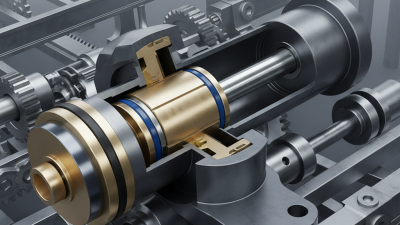
A hydraulic oil cylinder is a critical component in various machinery. It converts hydraulic energy into mechanical force. Understanding its parts is essential for effective operation. Typical components include the cylinder barrel, piston, and seals. Each plays a vital role in the cylinder's functionality.
The cylinder barrel houses the hydraulic oil. It must withstand high pressure. Reports indicate that modern cylinders can operate at pressures exceeding 3,000 psi. The piston moves within the barrel, pushing or pulling loads. Seals prevent leaks and ensure efficiency.
Fluids used in these cylinders typically adhere to ISO standards. The viscosity and temperature of hydraulic oil significantly affect performance. Industry experts note that improper oil viscosity can lead to increased wear. Maintaining the right fluid properties is essential for longevity. However, many operators overlook these crucial details. Regular inspection of seals and oil condition can prevent costly breakdowns.
What is a Hydraulic Oil Cylinder and How Does It Work? - Components of a Hydraulic Oil Cylinder and Their Roles
| Component |
Function |
Material |
| Cylinder Barrel |
Houses hydraulic fluid and provides force. |
Steel or aluminum |
| Piston |
Converts hydraulic pressure into mechanical force. |
Steel or composite material |
| Seal |
Prevents fluid leakage and contaminant entry. |
Rubber or polyurethane |
| Rod |
Transmits force from the piston to the load. |
Steel |
| End Cap |
Closes the cylinder and holds components in place. |
Steel or aluminum |
| Hydraulic Fluid |
Transfers force and provides cooling. |
Mineral oil or water-based fluid |
The Hydraulic Oil Cylinder Operating Principle
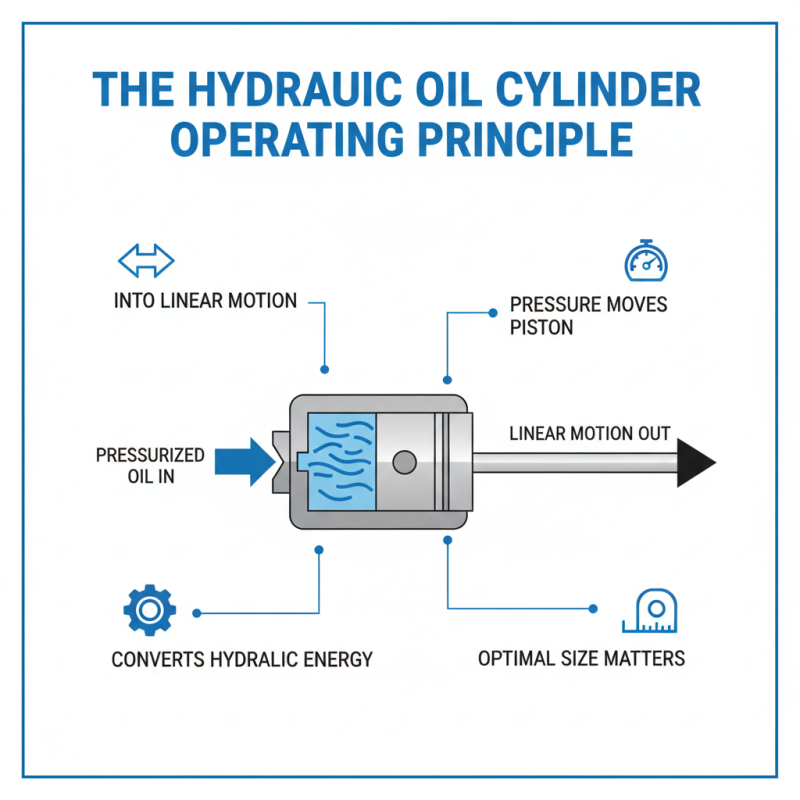
Hydraulic oil cylinders are crucial components in hydraulic systems. They convert hydraulic energy into linear motion. This conversion happens through pressurized oil entering the cylinder. Inside, a piston is pushed to create movement. The oil's pressure makes this forceful and efficient. Each cylinder has specific measurements for optimal function.
When pressurized oil enters one side of the piston, it pushes against the piston rod, causing it to extend. If oil is released from the other side, it allows the piston to retract. This process is not always perfect. Leakage, wear, and air bubbles can affect performance. Regular maintenance can mitigate some issues, but not all. Attention to these details ensures reliability. It’s essential to understand that each cylinder operates under specific parameters and performance standards. Non-compliance can lead to inefficiency and failure.
As hydraulic systems evolve, their design improves. New materials and technology enhance efficiency. However, understanding the traditional operating principle remains fundamental. It’s vital for engineers and technicians to grasp these foundational concepts. This knowledge lets them troubleshoot and innovate effectively in hydraulic mechanics.
Types of Hydraulic Oil Cylinders and Their Applications
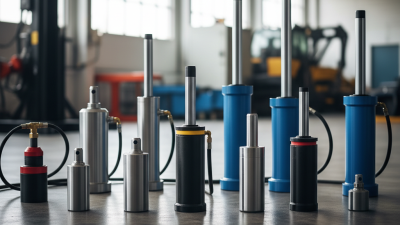
Hydraulic oil cylinders are essential in various industries, providing powerful force compactly. They come in different types based on their applications. Two common types are single-acting and double-acting cylinders. Single-acting cylinders use hydraulic fluid to push in one direction, while double-acting cylinders can push and pull, offering more versatility.
The applications of these cylinders vary widely. In construction, they lift heavy materials like steel beams. According to a report by the International Institute of Hydraulics, construction equipment accounts for about 30% of hydraulic cylinder usage. This reflects their vital role in urban development and infrastructure projects. In agriculture, hydraulic oil cylinders help lift and lower farm equipment, optimizing productivity. Research indicates that about 25% of the hydraulic market serves agricultural needs, showcasing the importance of efficiency in this sector.
While hydraulic cylinders offer significant advantages, challenges remain. Maintenance is critical to avoid leaks and failures. Regularly checking seals and fluid levels is essential. Reports show that improper maintenance can lead to a 20% increase in operational costs. Understanding these factors helps industries make informed decisions, ensuring hydraulic systems operate efficiently and reliably.
Common Maintenance Practices for Hydraulic Oil Cylinders
Hydraulic oil cylinders are vital components in various machinery, allowing controlled movement. Proper maintenance of these cylinders ensures they function efficiently and have a longer lifespan. Regular inspections are essential. Look for leaks, unusual noises, or signs of wear. These issues can lead to serious problems if not addressed promptly.
Fluid quality is another critical aspect. Over time, hydraulic oil can degrade or become contaminated. Regularly check the oil level and replace it when necessary. This simple task can prevent performance issues. Additionally, keeping the cylinder clean and free of debris can prevent damage. Small particles can cause significant wear over time.
While maintenance sounds straightforward, it often gets overlooked. Many operators focus on more apparent problems. This can lead to decreased efficiency or unexpected breakdowns. Remember, a little attention now can save a lot of trouble later.
Consider implementing a routine maintenance schedule that includes checking seals. This proactive approach is vital for optimal performance.

 +86-13349293098
 Contact WhatsApp
 Contact Email