Why Choose a Bucket Cylinder for Your Hydraulic System?
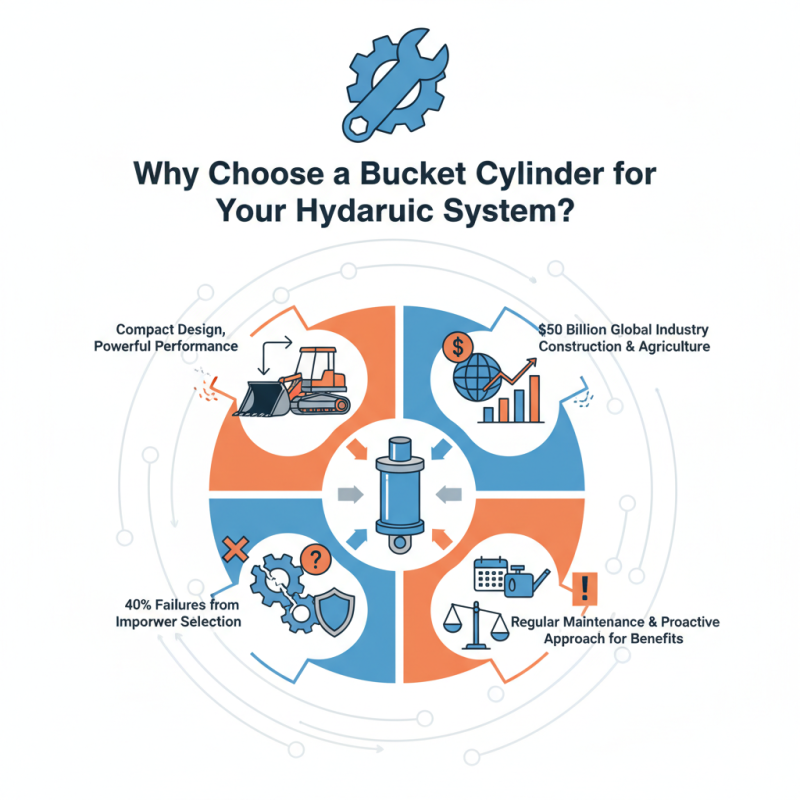
The Bucket Cylinder is a vital component in hydraulic systems, widely recognized for its efficiency and versatility. According to recent market analysis, hydraulic equipment accounts for an estimated $50 billion industry globally, with bucket cylinders playing a significant role in various applications. Industries like construction and agriculture heavily rely on these cylinders to enhance productivity and performance.
One key advantage of choosing a bucket cylinder is its compact design, offering powerful performance in limited spaces. This is crucial, as many operations require precise movements in confined areas. Research indicates that 40% of hydraulic failures stem from improper component selection. Thus, selecting the right equipment, like the bucket cylinder, is essential for operational success and long-term reliability.
However, challenges remain. Some operators overlook maintenance, leading to inefficiencies. Regular inspections and upkeep can prevent these issues. Additionally, the misjudgment of load capacity may result in unexpected failures. Recognizing the importance of informed decisions will ultimately drive better outcomes. Embracing the bucket cylinder enhances hydraulic systems, yet a proactive approach is needed to maximize its benefits.
Understanding Bucket Cylinders in Hydraulic Systems
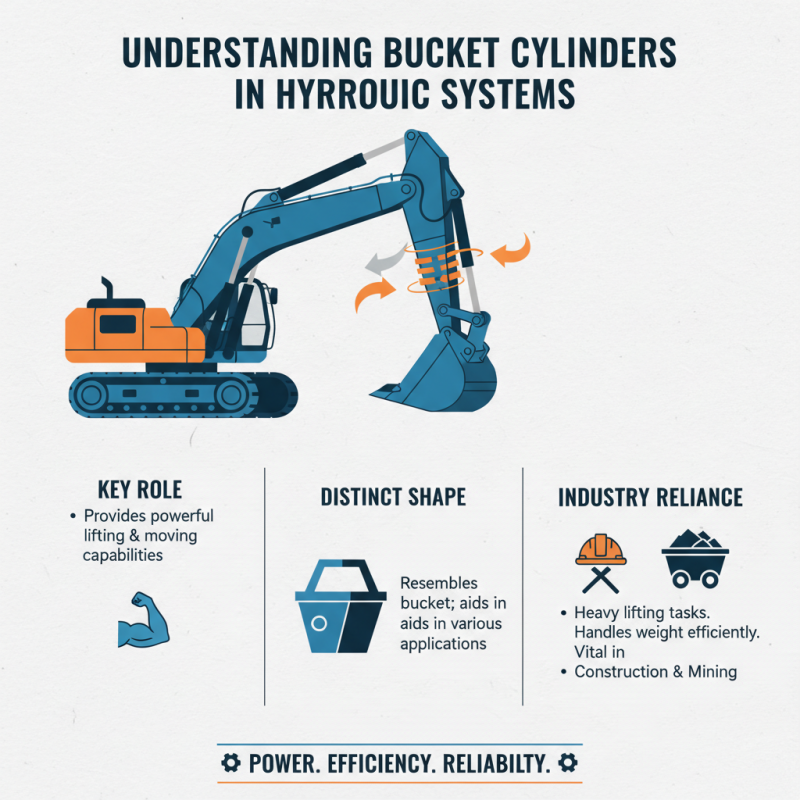
Bucket cylinders play a crucial role in hydraulic systems. They provide powerful lifting and moving capabilities. These cylinders have a distinct shape, resembling a bucket, which helps in various applications. Many industries rely on them for heavy lifting tasks. They handle weight efficiently, making them vital in construction and mining.
The operation of bucket cylinders can be complex. Users must understand loading and fluid dynamics. If not properly managed, the system may underperform. An improperly sized cylinder can lead to inefficiencies. Too big can waste energy; too small may not lift what’s needed. This balance is essential for an effective hydraulic system.
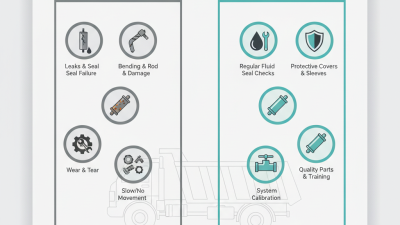
Maintenance is another key factor. Regular inspections can prevent major issues. Wear and tear can compromise performance. Operators should track the system's fluid levels and cylinder integrity. Buckets can develop leaks over time, which reduces functionality. These are areas to reflect on and improve continuously. Understanding these details can lead to optimized operations.
Advantages of Using Bucket Cylinders Over Other Hydraulic Cylinders
Bucket cylinders offer distinct advantages in hydraulic systems. Their design allows for efficient power transmission and compact installation. This makes them ideal for tight spaces where other cylinders may struggle. The bucket shape effectively accommodates multiple functions, making the system versatile.
One notable benefit is their ability to handle heavy loads. When lifting or lowering, they provide stability and control. The hydraulic fluid distribution is optimized within the bucket design. This results in smoother operations and reduces wear on components. However, installation can be tricky. Ensuring proper alignment is essential. A slight misalignment can cause performance issues.
Additionally, bucket cylinders require careful maintenance. Regular checks of seals and fluid levels are crucial. Neglecting upkeep may lead to leaks or inefficiencies. Some users may find the initial cost higher compared to standard cylinders. Still, the long-term benefits often outweigh these concerns. Users appreciate the reliability and efficiency that bucket cylinders bring to their operations.
Key Features of Bucket Cylinders That Enhance Performance
When considering components for hydraulic systems, bucket cylinders stand out. These cylinders offer unique features that enhance overall performance. They are designed to handle heavy loads efficiently. The construction often includes robust materials, ensuring durability even under high pressure. This resilience can lead to fewer replacements in the long run.
Moreover, bucket cylinders provide excellent control during operations. Operators appreciate the precision that these cylinders allow. This can be crucial when making fine adjustments in various applications. Their compact design also means they can fit into tight spaces. However, it's essential to ensure proper installation, as errors may lead to operational challenges.
Another noteworthy aspect of bucket cylinders is their versatility. They can be used in different environments, from construction sites to agricultural settings. Yet, users may need to consider varying maintenance needs. Some might overlook this until issues arise. Making an effort to keep regular checks can prevent unexpected downtime. Awareness of these features helps in optimizing hydraulic systems for better efficiency.
Key Features of Bucket Cylinders That Enhance Performance
Applications of Bucket Cylinders in Various Industries
Bucket cylinders play a vital role in various industries. They are known for their unique design and efficiency.
These cylinders are often used in construction,
agriculture, and mining. Their robust structure allows them to lift heavy loads with ease.
In construction, bucket cylinders are essential for excavating and earth-moving tasks. They help dig foundations and move soil quickly.
In agriculture, these cylinders assist in loading and unloading materials. Tractors equipped with bucket cylinders can manage crop residues efficiently.
In mining operations, they are crucial for transporting materials from one point to another, ensuring smooth workflow.
While bucket cylinders have many advantages, they require regular maintenance.
Leaks can develop if not checked frequently. Operators must be trained to use them safely.
Inadequate knowledge can lead to accidents or machinery failures.
Addressing these issues is important for optimal performance and safety.
A hybrid approach combining modern technology with traditional methods can enhance their effectiveness across various applications.
Maintenance Tips for Optimal Performance of Bucket Cylinders
Bucket cylinders are vital in various hydraulic systems. To ensure they function at their best, regular maintenance is key. A well-maintained cylinder not only lasts longer but also operates efficiently. Inspecting seals and connections regularly can prevent leaks. Small leaks can lead to larger problems if unchecked.
Cleaning the cylinder and checking for debris is essential. Dirt can cause wear over time and impact performance. Monitoring fluid levels helps maintain proper pressure. Low fluid levels can lead to overheating and damage. Every so often, it’s smart to document the maintenance checks. This can reveal patterns, signaling when parts may need replacement.
Don't forget to lubricate moving parts. Proper lubrication reduces friction and wear. In time, neglecting these details can cost you. Systems that run well today might break down tomorrow if ignored. Aim for a proactive approach; it pays off.
Why Choose a Bucket Cylinder for Your Hydraulic System?
| Dimension |
Value |
Maintenance Tip |
| Cylinder Diameter (inches) |
3 |
Regularly inspect seals for wear. |
| Stroke Length (inches) |
16 |
Keep the rod clean to prevent contaminants. |
| Operating Pressure (psi) |
2500 |
Monitor pressure regularly to avoid overload. |
| Fluid Type |
Hydraulic Oil ISO VG 32 |
Change fluid per manufacturer’s recommendations. |
| Weight Capacity (lbs) |
5000 |
Avoid exceeding maximum load to maintain safety. |
| Cycle Time (seconds) |
5 |
Lubricate moving parts to ensure smooth operation. |

 +86-13349293098
 Contact WhatsApp
 Contact Email