Best Wood Splitter Cylinder Options for Efficient Splitting?
When it comes to splitting wood efficiently, the choice of a wood splitter cylinder is crucial. A high-quality cylinder significantly enhances the splitting power and speed of your wood splitter. Many woodworkers and landscapers rely on these powerful tools to quickly process firewood and lumber. However, not all cylinders are created equal.
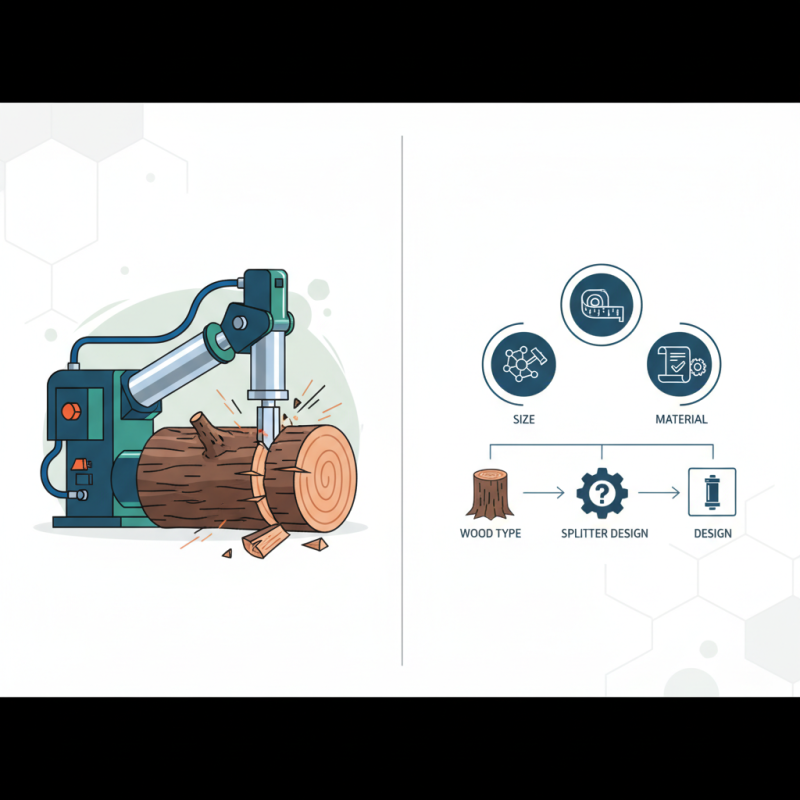
Selecting the best wood splitter cylinder can be overwhelming. Factors such as size, material, and design all play a role in performance. A poorly chosen cylinder can lead to inefficiencies. It may cause delays during wood splitting and can even result in damage. This is where understanding your needs becomes essential. Different types of wood and splitter designs require specific cylinder options.
In this exploration, we will dive into some of the best wood splitter cylinder options available. We will review their features and how they contribute to effective wood splitting. Efficiency should always be a priority, but the perfect cylinder can sometimes be elusive. Finding a cylinder that meets your specific needs may require some thought and experimentation.
Understanding Wood Splitter Cylinders: Key Components and Functions
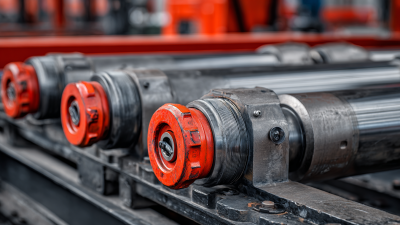
When it comes to wood splitter cylinders, understanding their key components is crucial. A wood splitter cylinder is the powerhouse of the machine. It generates the force needed to split logs efficiently. Typically, these cylinders operate using hydraulic fluid under pressure. This fluid can exert thousands of pounds per square inch. Reports suggest that an optimal cylinder can produce between 20 to 30 tons of splitting force. This is essential for handling tough woods.
The main components include the cylinder barrel, piston, and seals. Cylinder barrels are usually made of high-strength steel. This material ensures durability under high pressure. Seals play a critical role in maintaining hydraulic fluid. A worn seal can lead to leakage, reducing efficiency significantly. According to industry studies, nearly 15% of hydraulic issues stem from poor sealing. Monitoring these components regularly is vital for optimal performance.
Furthermore, the size of the cylinder also matters. A larger diameter can provide better splitting power. However, it may require more hydraulic fluid, which increases setup complexity. Users often overlook this aspect. A well-chosen cylinder enhances productivity, but it can be a tricky balance. Effective maintenance is sometimes neglected, leading to subpar performance. End users should remain vigilant to optimize their wood splitting endeavors.
Best Wood Splitter Cylinder Options for Efficient Splitting
| Cylinder Type |
Bore Diameter (inches) |
Stroke Length (inches) |
Operating Pressure (psi) |
Force Output (tons) |
| Double Acting |
4 |
24 |
3000 |
10 |
| Single Acting |
3 |
30 |
2000 |
8 |
| Compact Design |
5 |
16 |
2500 |
12 |
| Heavy Duty |
6 |
36 |
3500 |
15 |
Types of Wood Splitter Cylinders: Hydraulic vs. Mechanical Options
When choosing wood splitter cylinders, you generally have two main options:
hydraulic and mechanical.
Hydraulic cylinders are popular for their efficiency and
power. They utilize pressurized fluid to generate force.
This allows for quick splitting of tough logs.
However, hydraulic systems can be complex. They may require regular maintenance to prevent leaks.
Mechanical cylinders are simpler in design. They use a screw mechanism to split wood.
While they might not have the same power as hydraulic options, they are more user-friendly.
Mechanical systems can be operated without complex hydraulic fluids. This makes them ideal for small-scale users.
Yet, they often take more time to split larger logs, leading to some frustration.
Deciding between these types can be tough. If efficiency is key,
hydraulic might be the way to go.
But, consider the maintenance and setup time. If ease of use is your priority,
mechanical options offer simplicity.
Each option has unique benefits and challenges. Reflect on what fits your needs in real-life wood splitting scenarios.
Evaluating Performance: Factors Affecting Cylinder Efficiency
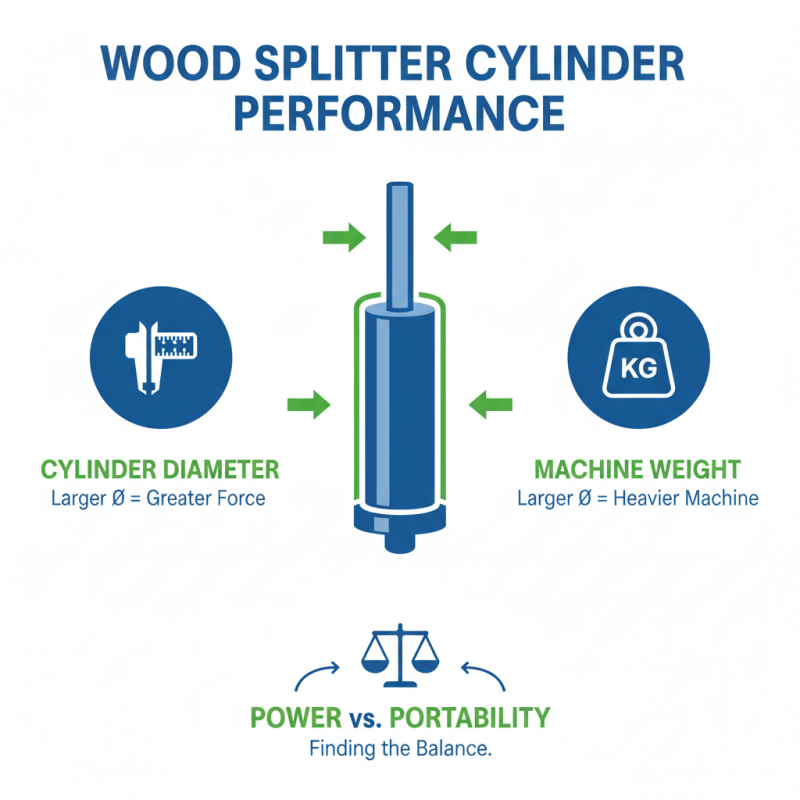
When evaluating wood splitter cylinders, several performance factors come into play. The diameter of the cylinder is crucial. A larger diameter generates greater force, making it easier to split tougher wood types. However, this increase in size might lead to a heavier machine. Balancing weight and power is not always straightforward.
Another factor is rod stroke length. Longer strokes allow for deeper cuts in one motion, reducing time spent on multiple passes. Yet, this can lead to a less compact design, which may not fit in smaller spaces. You might have to choose between efficiency and ease of storage, a common dilemma in tool selection.
Hydraulic fluid quality is often overlooked but plays a vital role. Good fluid maintains cylinder integrity and efficiency. It can prevent overheating, which is a risk with constant use. If the fluid is low quality, expect less responsive performance and faster wear. Many users neglect regular maintenance, leading to inefficient operation and frustrating work sessions. Reflecting on these choices can pave the way for better results.
Top Brands and Models of Wood Splitter Cylinders on the Market
When it comes to selecting wood splitter cylinders, efficiency is crucial. Many professionals look for cylinders that offer durability and power. The average splitting pressure for most cylinders ranges from 2,500 to 3,500 PSI. This range ensures effective splitting of various wood types, from softwoods to hardwoods. However, not all models deliver consistent results.
A recent survey revealed that up to 70% of users prioritize ease of installation and maintenance. User feedback highlighted models with corrosion-resistant materials, which lead to longer lifespans. Many cylinders now feature dual-port designs, allowing for quicker operation. This innovation has made quite an impact in the industry and improved productivity levels significantly.
Yet, not every brand measures up. Some models struggle with hydraulic leaks after minimal use. The inconsistency in manufacturing can be disheartening for users. Evaluating customer reviews can help avoid poorly designed products. Research indicates that cylinders with a warranty of at least five years tend to perform better. Users must weigh these factors carefully before making a decision.
Wood Splitter Cylinder Efficiency Comparison
Maintenance Tips for Longevity and Optimal Performance of Cylinders
Maintaining your wood splitter cylinder is crucial for its efficiency. Regular maintenance ensures longevity and optimal performance. Ignoring this can lead to diminished power and speed.
Check the hydraulic fluid levels frequently. Low fluid can cause overheating. Replace the fluid according to the manufacturer's guidelines. Clean the cylinder frequently. Dust and debris can impede performance. Pay attention to any signs of leaks. They can be small but problematic.
Tips: Always store the splitter in a dry place. Moisture can corrode vital parts. Use a protective cover to shield it from the elements. Inspect the hoses and fittings regularly for wear. Replace worn parts immediately to avoid bigger issues. Lack of attention here can lead to costly repairs. It’s easy to overlook small signs of distress. Don't make that mistake.

 +86-13349293098
 Contact WhatsApp
 Contact Email