Best Slewing Circle Bearings for Your Procurement Needs?
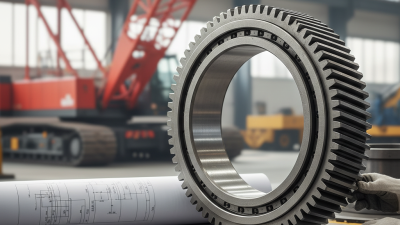
When considering procurement needs, selecting the right Slewing Circle Bearing is crucial. These bearings play a significant role in various industries, enhancing machinery performance and efficiency. They are vital components for cranes, excavators, and other equipment that require smooth rotary movements.
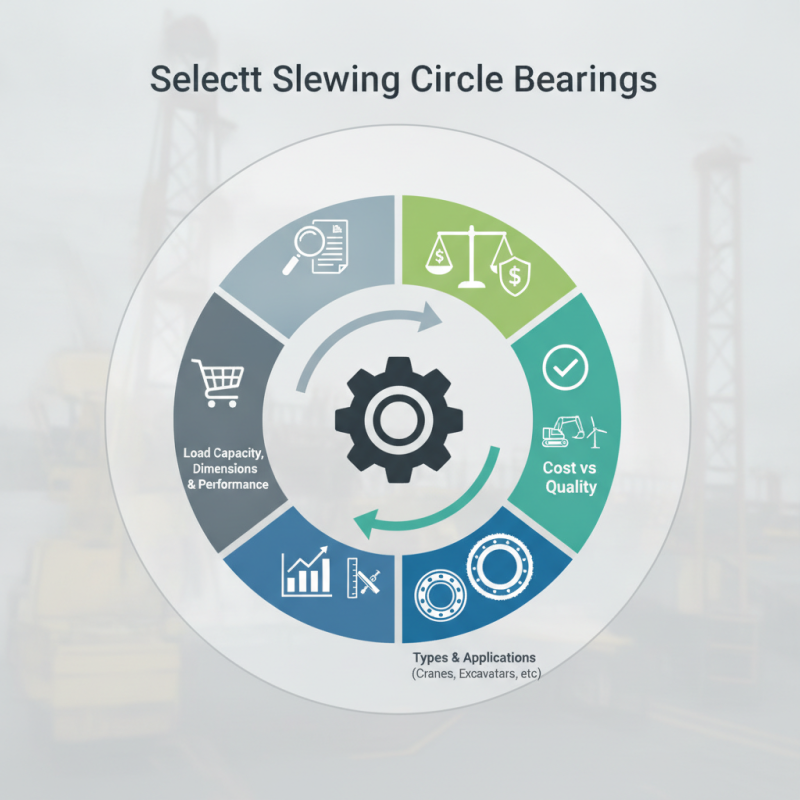
The market offers numerous options, each with unique features and specifications. Understanding these differences can be overwhelming for many buyers. A knowledgeable approach is essential when evaluating quality and reliability. Factors such as load capacity, dimensions, and materials should be closely examined.
Many suppliers claim to provide the best Slewing Circle Bearings. However, not all products meet high standards. It’s vital to balance cost against quality. Researching and consulting experts in the field can lead to better purchasing decisions. Investing time in this process can ultimately ensure long-term satisfaction and operational efficiency.
Best Slewing Circle Bearings: Overview of Applications and Industries
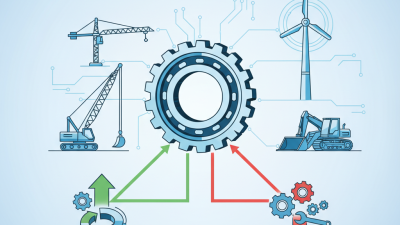
Slewing circle bearings are essential in various industries. They provide smooth rotational movement for equipment. Key applications include cranes, excavators, and wind turbines. In construction, these bearings help lift heavy loads with precision. They contribute to the efficiency of large machinery.
In renewable energy, slewing bearings are vital for wind turbine operation. They enable blades to harness wind power effectively. The marine industry also relies on these bearings for the rotation of ship cranes. Their durability ensures that operations continue reliably under harsh conditions.
However, selecting the right bearing can be challenging. Many factors influence the choice, such as load capacity and environmental conditions. Not all bearings perform well under stress or in extreme weather. Regular maintenance is essential to avoid failures. Understanding the specific needs of each application is crucial for procurement decisions.
Best Slewing Circle Bearings: Applications and Industries
Key Factors Influencing Procurement of Slewing Circle Bearings
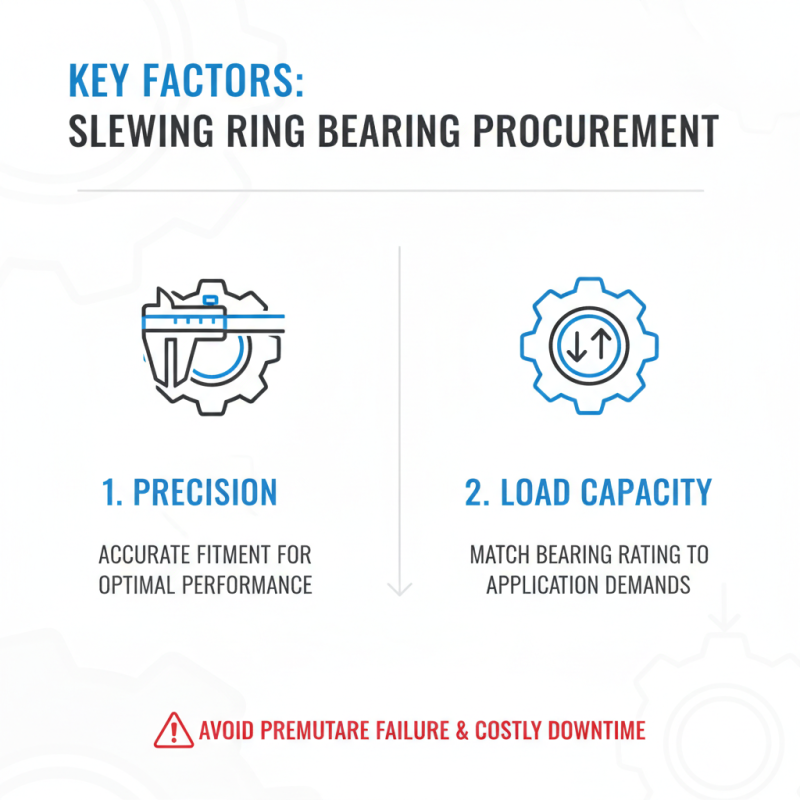
When selecting slewing circle bearings, several key factors come into play. Precision is essential. A bearing must fit accurately within its application for optimal performance. The load capacity is another critical aspect to consider. It’s vital to match the bearing’s load rating with the application’s requirements. Overlooking this may lead to premature failure, resulting in costly downtime.
Another important factor is the environmental conditions. Bearings exposed to harsh environments, such as extreme temperatures or moisture, require specialized materials. Selecting the wrong material can lead to corrosion or wear. Additionally, the lubrication method impacts longevity. Users often underestimate this. Proper lubrication ensures smooth operation and reduces friction.
Lastly, it's crucial to assess the manufacturer's reputation. Established manufacturers often have a track record for quality. However, new companies may offer innovative solutions. Evaluating both can lead to better procurement choices. The procurement process can be challenging, and reflection on past experiences may provide insights. Each decision contributes to long-term reliability and efficiency.
Comparative Analysis of Material Types for Slewing Bearings
When considering slewing bearings, material choice is critical. Slewing bearings generally use materials like carbon steel, stainless steel, and special polymers. Each material has unique properties that affect strength, durability, and corrosion resistance. Carbon steel is often preferred for its high strength-to-weight ratio. However, it may not perform well in corrosive environments.
Stainless steel offers excellent corrosion resistance, making it ideal for marine or outdoor applications. Yet, it can be more expensive and heavier. In some cases, advanced polymers provide a lightweight, cost-effective alternative. These materials can resist wear and environmental factors, though they might not support heavy loads as effectively as metal options.
The choice of material should reflect the specific application and environment. Analyzing factors like load, speed, and exposure conditions is essential. It's easy to overlook how material impacts performance over time. Exploring different materials and their characteristics can enhance the efficiency and longevity of slewing bearings. Each option has its pros and cons, requiring thoughtful consideration of project requirements.
Best Slewing Circle Bearings for Your Procurement Needs? - Comparative Analysis of Material Types for Slewing Bearings
| Material Type |
Load Capacity (kN) |
Temperature Range (°C) |
Corrosion Resistance |
Lifespan (Years) |
Cost (USD) |
| Steel |
1000 |
-40 to 120 |
Low |
5 |
150 |
| Stainless Steel |
1200 |
-30 to 150 |
High |
10 |
250 |
| Bronze |
900 |
-20 to 100 |
Medium |
8 |
200 |
| Polymer |
600 |
-50 to 80 |
Very High |
3 |
100 |
| Composite |
800 |
-40 to 120 |
Medium |
6 |
180 |
Performance Metrics: Load Capacity and Lifespan of Slewing Bearings
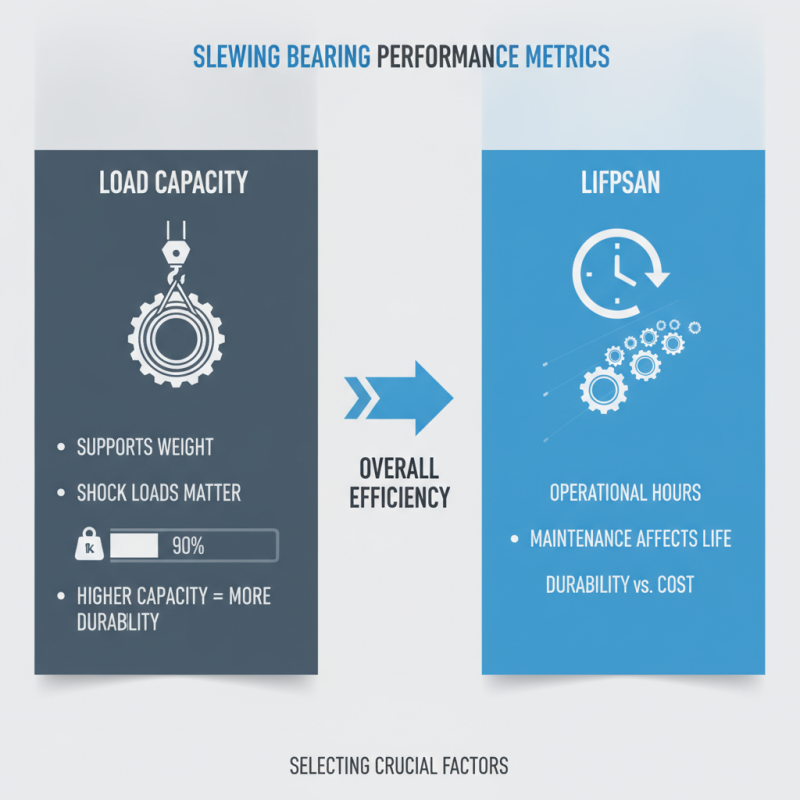
When selecting slewing bearings, performance metrics are crucial. Load capacity and lifespan are two significant factors that determine overall efficiency. Load capacity reflects how much weight the bearing can support without failure. It is essential to understand the operational environment, as factors like shock loads can affect performance. Higher load capacity often leads to increased durability, but this comes at a cost.
Lifespan indicates how long a bearing will function effectively. Regular maintenance can extend this lifespan. Environmental conditions, such as dust or moisture, may lead to premature wear. The right grease can also play a role in reducing friction, which in turn affects both load capacity and lifespan. However, finding the optimal balance between these metrics can be challenging.
Understanding these performance metrics takes experience. It involves knowing the specific requirements of each application. Sometimes, the perfect choice is overlooked due to a lack of thorough analysis. Evaluating real-world performance is often neglected. Real-world conditions may differ significantly from laboratory tests, leading to surprising outcomes. Engaging in critical reflection can improve decision-making in the long term.
Latest Industry Trends in Slewing Circle Bearings Manufacturing
The slewing circle bearings market is experiencing significant transformations. Recent industry reports indicate a surge in demand, expected to grow at a compound annual growth rate (CAGR) of 5% from 2023 to 2028. This rise is attributed to advancements in infrastructure and construction. As urbanization accelerates, the need for high-performance bearings becomes more pressing.
Manufacturers are integrating smart technologies into their production processes. Automated systems enhance precision and reduce errors. However, challenges remain. Many manufacturers struggle with material quality and supply chain disruptions. According to a report by MarketWatch, 30% of companies face delays due to raw material shortages, raising concerns about reliability in supply.
Sustainability is another vital trend. Companies are investing in eco-friendly materials and processes. They are increasingly aware of the environmental impact. Yet, balancing sustainability with performance remains complex. Many manufacturers find it hard to achieve both without trade-offs. This evolving landscape presents opportunities and challenges for buyers and sellers alike.

 +86-13349293098
 Contact WhatsApp
 Contact Email