Leave Your Message

Top 10 Benefits of Slewing Ring Bearings for Heavy Machinery

In the world of heavy machinery, slewing ring bearings play a critical role. Renowned expert John Smith states, "Slewing rings are the backbone of efficient machine performance." This highlights the importance of these components in various applications, from cranes to excavators.

Slewing ring bearings offer remarkable benefits. Their ability to handle radial and axial loads makes them versatile. These components also ensure smooth rotation, which enhances operational efficiency. Furthermore, their robust design contributes to the durability and longevity of heavy machinery.

Despite their advantages, some challenges remain. Proper installation and maintenance are vital for optimal performance. Businesses must invest in quality products to avoid premature wear. Overall, slewing rings are essential for reliability and effectiveness in heavy machinery.
Top 10 Benefits of Slewing Ring Bearings for Heavy Machinery

Benefits of Slewing Ring Bearings in Heavy Machinery Operations

Top 10 Benefits of Slewing Ring Bearings for Heavy Machinery

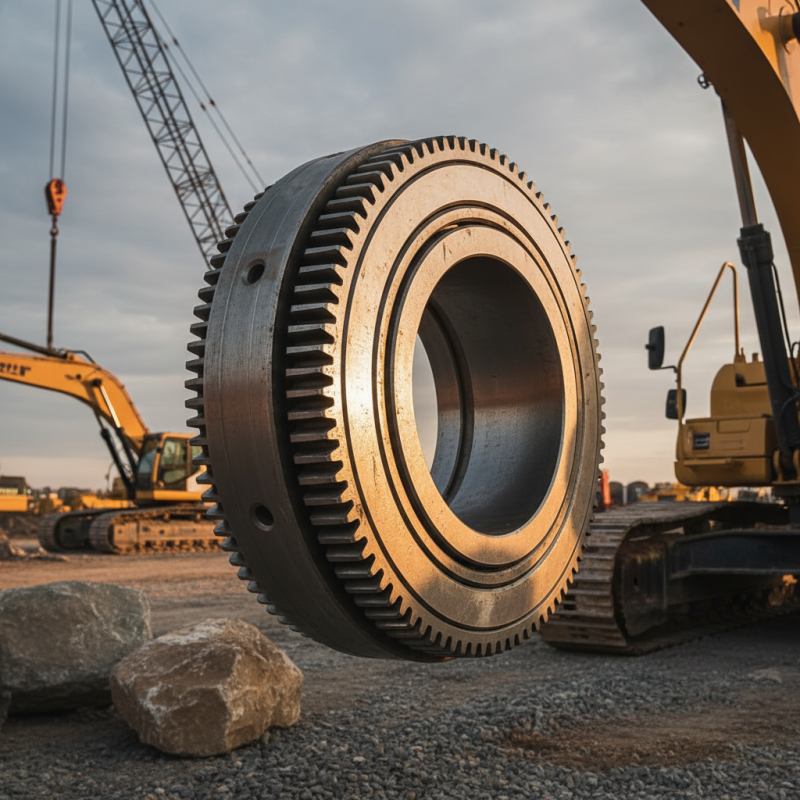
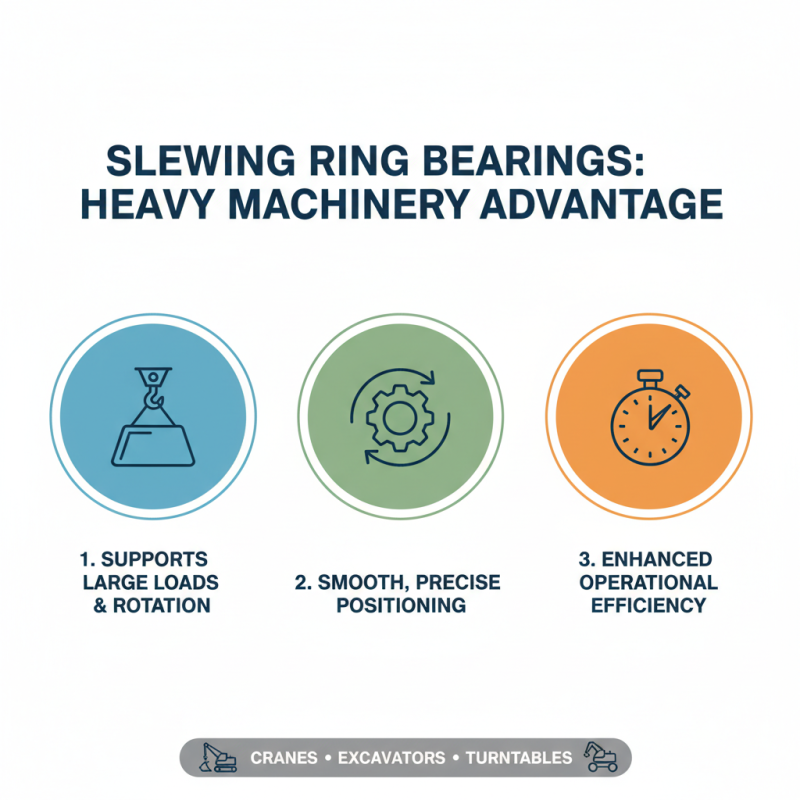
Slewing ring bearings play a vital role in heavy machinery operations. These components support large loads while allowing for smooth rotational movement. This quality is essential in cranes, excavators, and other equipment that require precise positioning. The ability to pivot under heavy loads enhances overall efficiency.

Using slewing ring bearings can significantly reduce downtime. They improve load distribution across the equipment, minimizing wear and tear. However, improper maintenance can lead to failures, causing operational delays. Regular inspections ensure the bearings function properly and last longer. Operators must be vigilant about checking for signs of damage or wear.

Not every application benefits equally from slewing ring bearings. Some operations may find them cost-prohibitive. It’s crucial to evaluate the specific needs and compatibility with existing machinery. Seeking expert advice can provide insights that lead to more informed decisions. This consideration highlights the importance of understanding both the advantages and limitations of these bearings in heavy machinery settings.
Enhanced Load Distribution Capabilities of Slewing Ring Bearings

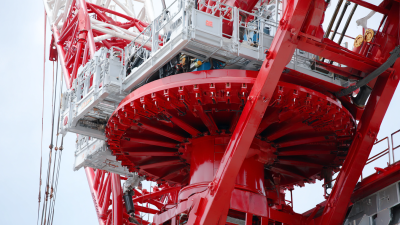
Slewing ring bearings offer superior load distribution, making them essential in heavy machinery applications. Their design allows for uniform weight distribution across the bearing's circumference. This feature significantly minimizes stress points, reducing the risk of failure. A study by the Machinery Lubrication Institute reveals that proper load distribution can extend bearing life by up to 30%.

The ability to distribute loads evenly results in improved operational efficiency. Heavy machinery often endures dynamic loads and harsh environments. Slewing rings can handle these challenges better than traditional bearings. Research indicates that these bearings can manage radial, axial, and moment loads simultaneously. This capability is crucial for machinery like cranes and excavators, where precise movement is required.

Yet, not all applications leverage the full potential of slewing ring bearings. Some operators overlook maintenance schedules, risking premature wear. Inadequate lubrication can also lead to uneven load distribution. Regular monitoring and assessment are key to maximizing benefits. Continuous innovation in design and materials aims to enhance these bearings' reliability and performance. As industries evolve, staying informed about best practices is vital for optimizing machinery efficiency.

Durability and Longevity of Slewing Ring Bearings Under Extreme Conditions

Slewing ring bearings are crucial in heavy machinery, especially under challenging conditions. These bearings endure extreme loads, vibrations, and temperatures. According to industry reports, slewing ring bearings can sustain weights exceeding 1,000 tons. This impressive capacity is due to their robust design, which distributes stress evenly across the bearing surface. In harsh environments, their durability is a key factor for equipment longevity.

However, not all slewing rings perform equally. Regular maintenance is essential to maximize their life span. Monitoring lubrication levels can prevent wear and tear. The American Society of Mechanical Engineers (ASME) suggests that adequate grease can extend bearing life by up to 30%. Pay attention to operating conditions. High temperatures can lead to premature failure if not addressed.

Tips: Ensure proper alignment when installing slewing rings. Misalignment can lead to uneven stress distribution. This oversight might decrease the bearing's effectiveness. Also, set up a scheduled maintenance routine. It can help identify potential issues before they escalate. Adhering to these guidelines can significantly enhance the reliability of slewing ring bearings in heavy machinery.

Top 10 Benefits of Slewing Ring Bearings for Heavy Machinery

Benefit Description Typical Applications Operating Conditions Longevity
High Load Capacity Designed to support significant radial and axial loads. Cranes, excavators Extreme weight lifting scenarios Up to 20 years with regular maintenance
Durability Under Stress Resistant to wear and tear from high-stress operations. Mining equipment Harsh environments 15-20 years with proper use
Precision Movement Enables accurate angular movement and positioning. Robotic arms, CNC machinery Controlled environments Up to 25 years with optimal conditions
Low Maintenance Requires less frequent lubrication and upkeep. Heavy construction, marine applications Variable conditions 10-15 years dependent on usage
Versatility Can be customized for various machinery and applications. Agricultural machines, construction Multi-environment 15-20 years depending on modification
Corrosion Resistance Material options that withstand moisture and chemicals. Marine, chemical plants High humidity, various chemicals 15+ years with protective coatings
Smooth Operation Minimized friction leads to smoother performance. Lifting and rotating equipment Dynamic moving parts Long-lasting with consistent use
Cost-Effectiveness Reduced downtime lowers overall operating costs. Industrial machinery, assembly lines Regular and intensive operation 10-20 years based on handling
Compact Design Space-saving designs allow for innovative machinery layouts. Robotics, mobile equipment Narrow spaces 15+ years in optimized use

Improved Rotational Precision and Stability in Heavy Machinery

Top 10 Benefits of Slewing Ring Bearings for Heavy Machinery

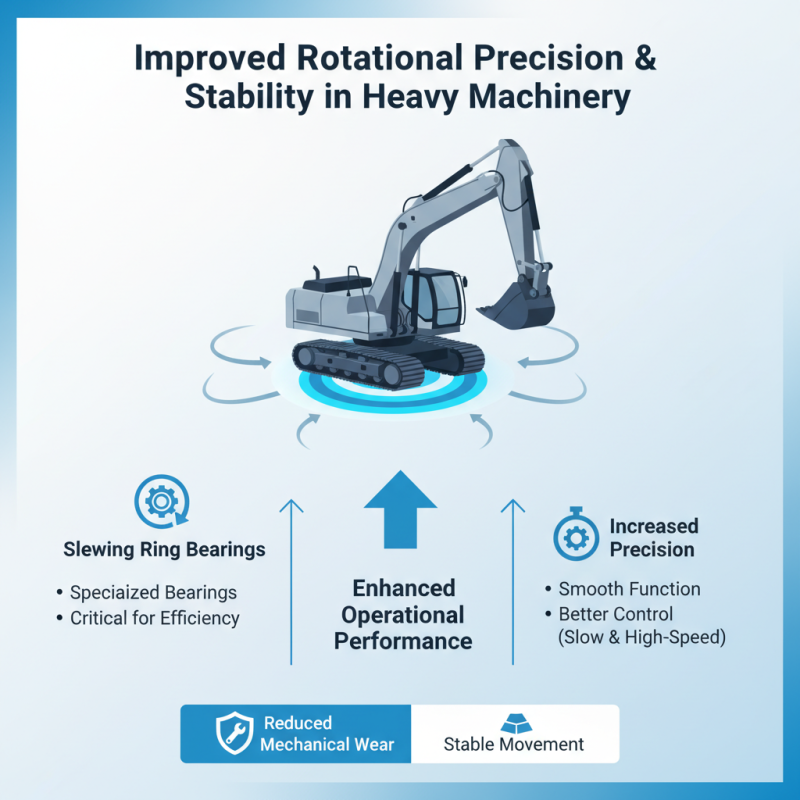
Slewing ring bearings play a critical role in enhancing the operational efficiency of heavy machinery. These specialized bearings improve rotational precision significantly, allowing equipment to function smoothly. By ensuring stable movement, they minimize the risk of mechanical wear and tear. The precision in rotation translates to better control during both slow and high-speed operations.

Operators benefit from the stability provided by slewing rings. With reduced vibrations, machinery performs tasks more precisely. This stability is especially crucial in lifting or rotating heavy loads. Additionally, the design of slewing ring bearings allows for optimal load distribution. This feature can extend the lifespan of the entire machinery system. However, installation and maintenance require attention to detail. A poorly installed bearing can lead to unexpected failures and costly downtime.

Every application presents unique challenges. Operators must regularly assess their machinery’s performance. Identifying slight deviations in movement can prevent larger issues down the line. While slewing ring bearings improve rotational stability, complacency can be detrimental. Continuous monitoring and proactive maintenance ensure these advantages are fully realized.

Cost-Effectiveness and Maintenance Advantages of Slewing Ring Bearings

Slewing ring bearings offer significant cost-effectiveness for heavy machinery applications. According to industry reports, using slewing rings can reduce maintenance costs by as much as 30%. This reduction stems from their ability to handle axial, radial, and moment loads simultaneously. Such versatility limits the need for multiple bearing systems, which often lead to higher operational expenses.


Moreover, the design of slewing ring bearings allows for easier maintenance. With fewer components involved, they simplify the inspection process. Industry studies indicate that regular maintenance intervals can extend bearing life by 20%. However, it is crucial to note that failure to perform routine checks can lead to unexpected downtime. The longevity of these bearings is often compromised if maintenance practices are neglected.


In terms of reliability, slewing ring bearings stand out. They are engineered to withstand harsh conditions and heavy loads. Yet, the benefits can only be fully realized with proper installation and care. A slight oversight during installation can result in premature wear. This highlights the importance of training and expertise in the maintenance process.