2026 Top Trends in Slewing Bearings for Industries and Applications?
In the rapidly evolving industrial landscape, slewing bearings play a crucial role in machinery and equipment. These components enable smooth rotation and movement, often under heavy loads. As 2026 approaches, the trends in slewing bearings are shifting. New materials and designs are emerging, aiming for improved efficiency and durability.
The demand for slewing bearings is growing across various industries. Innovations focus on longevity and performance enhancements. For example, the integration of smart technologies is becoming more common. This shift presents both opportunities and challenges for manufacturers. Understanding these trends is essential for adapting to market needs.
However, not all advancements come without drawbacks. While new designs may offer benefits, they can also complicate maintenance. Industries must weigh the pros and cons carefully. Slewing bearings will remain indispensable, but the future will require thoughtful innovation and reflection.

Emerging Technologies Impacting Slewing Bearings in 2026
The slewing bearing market is undergoing transformative changes in 2026, driven by emerging technologies. Innovations in materials are playing a pivotal role. Lightweight composites and advanced lubricants are being used to enhance performance while reducing operating costs. According to a recent industry report, the slewing bearing sector is projected to grow at a CAGR of 5.2% from 2024 to 2028. This growth is closely tied to automation and ESG (Environmental, Social, and Governance) initiatives across industries.
As IoT (Internet of Things) integrates into machinery, slewing bearings will adopt smart sensors. These sensors provide real-time data on equipment health, leading to predictive maintenance. This shift can reduce unexpected downtimes by up to 30%, a crucial factor in today's fast-paced industries. However, the implementation of such technologies can pose challenges. Companies must invest in training and integrating new systems.
Tip: Focus on the compatibility of new technologies with existing machinery. Not all upgrades fit seamlessly. It’s essential to assess this compatibility to avoid costly errors.
Moreover, sustainability is reshaping design processes. Engineers are prioritizing energy-efficient manufacturing methods. While these processes are beneficial, they often require more time and resources. Striking a balance between efficiency and sustainability remains a challenge.
Tip: Regularly evaluate your current systems and processes. Identify areas where emerging technologies can be incorporated smoothly. This proactive approach can yield significant long-term benefits.
Sustainability Trends Driving Slewing Bearing Design and Production
Sustainability is reshaping the slewing bearing industry significantly. With global focus shifting towards eco-friendly practices, manufacturers are adopting greener materials. According to a recent report, around 65% of companies are investing in sustainable materials for bearing design. This move is not just trendy; it's essential to reduce environmental impact.
Moreover, energy efficiency is becoming a priority. Slewing bearings play a crucial role in heavy machinery, and optimizing their design can decrease energy consumption. Research indicates that a well-designed bearing can enhance machine efficiency by up to 30%. However, achieving this requires a careful balance between performance and sustainability, which isn't always easy.
Recyclability is another vital consideration. Many manufacturers are now working on designs that allow for easier recycling of materials. However, this process is still in its infancy. Only a small percentage of current designs prioritize recyclability. Innovating while ensuring ethical sourcing of raw materials poses challenges. In a rapidly evolving market, these efforts need constant reflection and adaptation to truly align with sustainability goals.
Applications of Slewing Bearings in Renewable Energy Sectors
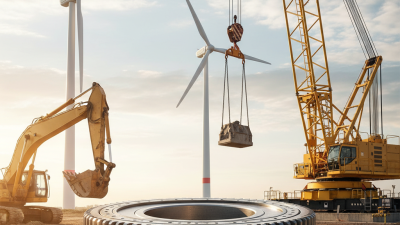
Slewing bearings play a crucial role in renewable energy sectors. They allow for smooth rotational movement in turbines, solar panels, and wind energy systems. These components can withstand heavy loads and harsh conditions, making them essential for energy applications.
In wind turbines, slewing bearings support the enormous nacelles. These bearings must handle dynamic forces caused by wind and rotation. The efficiency of a turbine can depend greatly on the quality of the bearings used. In solar energy installations, they enable tracking systems that follow the sun’s path. This maximizes energy capture throughout the day.
However, there are challenges. Selecting the right material is often difficult. The environment can cause wear and tear over time. Regular maintenance is needed to ensure optimal performance. Innovations in bearing design are necessary to address these issues. Improved durability and reduced friction are critical for future advancements in renewable energy.
Enhancements in Material Science for Slewing Bearings
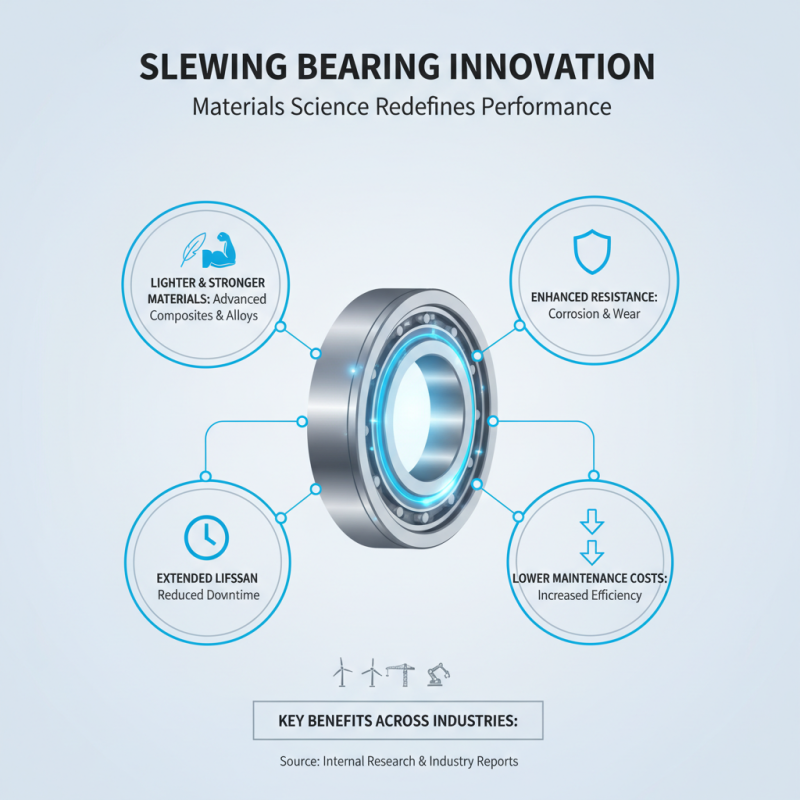
The advancements in material science are redefining the landscape of slewing bearings. New materials are now lighter yet stronger, addressing the growing need for efficiency in various industries. For instance, advanced composites and alloys offer enhanced resistance to corrosion and wear. These traits extend the lifespan of slewing bearings, ultimately leading to lower maintenance costs.
In addition to improved durability, these materials can withstand extreme conditions. Innovations in heat-resistant materials make them suitable for high-temperature environments. Certain applications, like those in renewable energy and aerospace, particularly benefit from these advancements. Yet, challenges remain in ensuring consistency across different manufacturing processes. Quality control is vital to maximize the potential these new materials offer.
Furthermore, the sustainability aspect of material science comes into play. Developing eco-friendly materials is a significant focus. This shift is crucial for industries aiming to reduce their carbon footprint. However, the transition presents hurdles. Balancing performance with environmental responsibility requires ongoing research and development. Continuous iterations and testing are essential to find the right material combinations for optimal results.
Market Dynamics and Future Forecasts for the Slewing Bearing Industry
The slewing bearing industry is rapidly evolving. A surge in demand from various sectors is reshaping market dynamics. Industries such as construction, renewable energy, and robotics are driving innovation. These sectors require reliable and efficient slewing bearings. This trend leads to a focus on advanced materials and design techniques. Manufacturers are experimenting with lightweight composites. This reduces weight but maintains strength.
Challenges exist amidst these advancements. Some manufacturers struggle to keep pace with technology. Production costs can rise unexpectedly. It forces companies to find a balance between innovation and affordability. Additionally, the market faces competition from alternative solutions. This raises questions about long-term sustainability. Future forecasts suggest a growing need for customized solutions. Tailored products may offer better performance in specific applications.
The industry's future is not without obstacles. Supply chain issues could disrupt production timelines. Manufacturers must adapt quickly to changing demands. Environmental regulations are tightening, prompting a shift toward eco-friendly materials. Companies may need time to adjust. Overall, the slewing bearing market may see significant changes in the coming years. Staying informed is essential for those involved.
2026 Top Trends in Slewing Bearings for Industries and Applications
| Trend Description |
Industry |
Impact |
Forecast (2026) |
| Increased Use of Lightweight Materials |
Construction |
Reduces overall weight and fuel consumption |
20% growth |
| Smart Bearings with IoT Integration |
Manufacturing |
Enhanced monitoring and predictive maintenance |
15% increase in adoption |
| Sustainability Practices |
Renewable Energy |
Reduction of environmental impact |
25% focus on eco-friendly solutions |
| Customization of Slewing Bearings |
Aerospace |
Improved performance and efficiency |
30% increase in tailored solutions |
| Advanced Coatings for Durability |
Mining |
Longer lifespan and reduced maintenance costs |
40% decrease in repair frequency |

 +86-13349293098
 Contact WhatsApp
 Contact Email