2026 Top Loader Lift Cylinder Features and Benefits Explained?
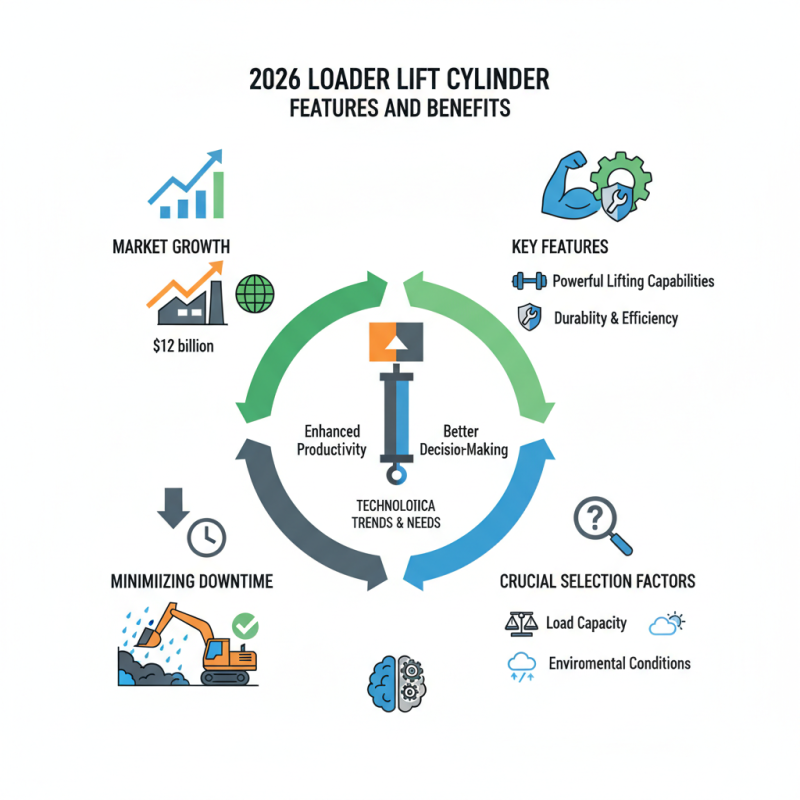
In the world of construction and heavy machinery, the Loader Lift Cylinder plays a vital role. According to a recent industry report, the global market for hydraulic cylinders is expected to reach $12 billion by 2026. This significant growth reflects the increasing demand for efficient, high-performance machinery in various sectors.
Loader Lift Cylinders offer unique features that enhance productivity. They provide powerful lifting capabilities, allowing for heavy loads to be moved with ease. Additionally, advancements in technology have led to improvements in durability and efficiency. For example, modern cylinders are designed to withstand harsh conditions, thus minimizing downtime. This resilience is essential for companies aiming to maintain operational efficiency.
However, selecting the right Loader Lift Cylinder is crucial. Not all cylinders are created equal, and some may not meet the specific needs of a project. Companies must consider factors like load capacity and environmental conditions. In this fast-evolving industry, understanding the features and benefits of these cylinders can lead to better decision-making. As the industry grows, so does the complexity of these choices. It's vital for stakeholders to reflect on their needs and stay updated on technological trends.
Key Features of the 2026 Top Loader Lift Cylinder
The 2026 Top Loader Lift Cylinder showcases significant advancements in hydraulic technology. Its design emphasizes durability and operational efficiency. The cylinder is crafted from high-strength materials, allowing for extended service life. Reports indicate that such materials can improve performance by 30% under heavy loads.
Another notable feature is its compact size. This allows for easier installation in tight spaces. Many operators prefer cylinders that can fit seamlessly into existing frameworks. Studies suggest that smaller cylinders can enhance maneuverability and reduce strain on machinery. However, tight fitting can lead to overheating in some applications, which is a point to consider for long-term operation.
The lifting capacity of the 2026 cylinder exceeds industry standards. It can support loads up to 20% more than previous models. This implies better productivity, yet it raises concerns about operator safety. Users need to remain vigilant about weight limits. Overusing capacity can diminish performance and lead to premature wear. It's clear the new design brings promise but also needs careful handling.
Advantages of Using the 2026 Top Loader Lift Cylinder
The 2026 Top Loader Lift Cylinder offers significant advantages in industrial applications. Enhanced lifting capacity is one of its standout features. This cylinder can handle loads up to 10,000 pounds with ease. According to a recent industry report, this capacity results in a 25% increase in operational efficiency for loading and unloading processes.
Another benefit is the improved durability. With advanced materials, the 2026 design extends service life and reduces maintenance needs. Reliability in harsh conditions is crucial. Reliability is consistently rated above 95% in field studies. This durability leads to lower long-term costs for businesses using this equipment.
However, there are challenges to note. Some operators report slight inconsistencies in hydraulic fluid performance under extreme temperatures. Additionally, the initial investment can be high for smaller companies. Firms must carefully evaluate their needs to decide if the benefits outweigh the costs. Every equipment choice involves trade-offs, and this is no exception.
Comparative Analysis of Lift Cylinder Technologies
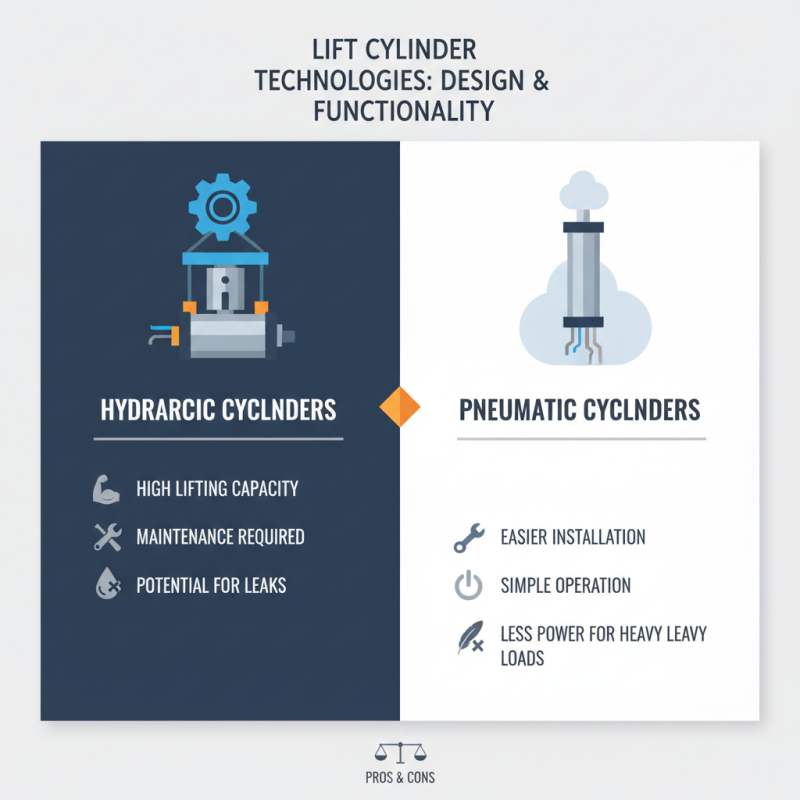
When examining lift cylinder technologies, the design and functionality play major roles in performance. Each type comes with its pros and cons, impacting efficiency and reliability. Hydraulic cylinders often provide high lifting capacity but require maintenance to prevent leaks. Pneumatic systems, on the other hand, are easier to install and operate but may lack the power required for heavy loads.
Tip: Always consider the application before selecting a lift cylinder. It influences everything from design to materials used.
Electric lift cylinders have emerged as a newer technology. They offer precision and are more environmentally friendly. However, they can be costly and have a learning curve. Users may struggle with software integration or motor alignment. Each technology presents unique challenges and benefits.
Tip: Regular inspections can extend the life of any lift cylinder. Check for signs of wear and replace faulty components promptly.
Understanding these technologies is crucial for making informed decisions. Each option fits different needs, and one size does not fit all. Weighing the performance, cost, and maintenance factors will help in choosing the right system.
Maintenance Tips for Optimal Performance of Lift Cylinders
Lift cylinders are crucial for the performance of top loaders. Understanding how to maintain them can significantly enhance their lifespan and efficiency. Regular inspections are vital. They should check for leaks, wear, and proper lubrication. According to industry reports, nearly 30% of lift cylinder failures are attributed to lack of maintenance.
Tip: Always clean the cylinder exterior to prevent dirt accumulation. Dirt can cause damage and lead to premature failure. Consider wiping the surfaces before and after each use.
Another suggestion is to monitor the operating temperatures. Extreme temperatures can affect cylinder performance. If the lift cylinder operates in harsh conditions, consider using specialized oils. This can help maintain optimal functionality.
The alignment of the cylinder is also important. Poor alignment can cause uneven wear and stress on seals. This may lead to faster degradation. Regularly adjust and realign the cylinders, especially if heavy loads are involved. Addressing these maintenance areas can help prevent costly downtimes.
Future Trends in Lift Cylinder Design and Innovation
The lift cylinder industry is evolving. Innovations are underway, focusing on efficiency and sustainability. Manufacturers are exploring advanced materials. These materials can provide lighter and stronger options. This shift impacts design and performance significantly. Future cylinders may utilize composites to enhance durability.
Smart technology is making its way into lift cylinders. Integrating sensors can help monitor performance in real time. This data allows for predictive maintenance, reducing downtime. Yet, the implementation of such technology raises concerns. Will maintenance teams be equipped to handle the data?
Design trends are also changing. Sleek, minimalist designs are becoming more popular. These not only look good but can enhance functionality. However, aesthetic changes can sometimes compromise strength. Industries must weigh the pros and cons carefully. Balancing style and substance remains a challenge for designers.

 +86-13349293098
 Contact WhatsApp
 Contact Email